
Beginner's Guide to Getting Started with Tennis
How to Get Started with Tennis – A Beginner’s Guide
TL;DR
Tennis is a great sport for people of all ages and fitness levels. It can be played socially or competitively, and is a great way to get some exercise.
If you’re thinking about taking up tennis, or are just starting out, this guide will give you some basic information on how to get started.
1. Introduction: Why Tennis is a Great Sport for Beginners
Tennis is a great sport for beginners because it is easy to learn and can be enjoyed by players of all ages and skill levels. Tennis is a great way to get exercise and can be played either competitively or recreationally. Tennis is also a great social activity, so it is easy to find people to play with.
2. The Basics: How to Grip a Racket, How to Hit a Ball, and the Basic Rules of the Game
To grip a racket, you will need to hold the racket in your non-dominant hand and place your dominant hand in the space between the handle and the top of the racket head. You will then need to wrap your fingers around the handle and grip it tightly.
To hit a ball, you will need to swing the racket in an upward motion and make contact with the ball at the sweet spot, which is located at the bottom of the racket head.
The basic rules of the game are as follows: one player serves the ball and the other player must return it; players can only hit the ball once before it must be returned; players must alternate hitting the ball; and points are awarded when the other player is not able to return the ball.
3. Attire: What to Wear and What Not to Wear on the Court
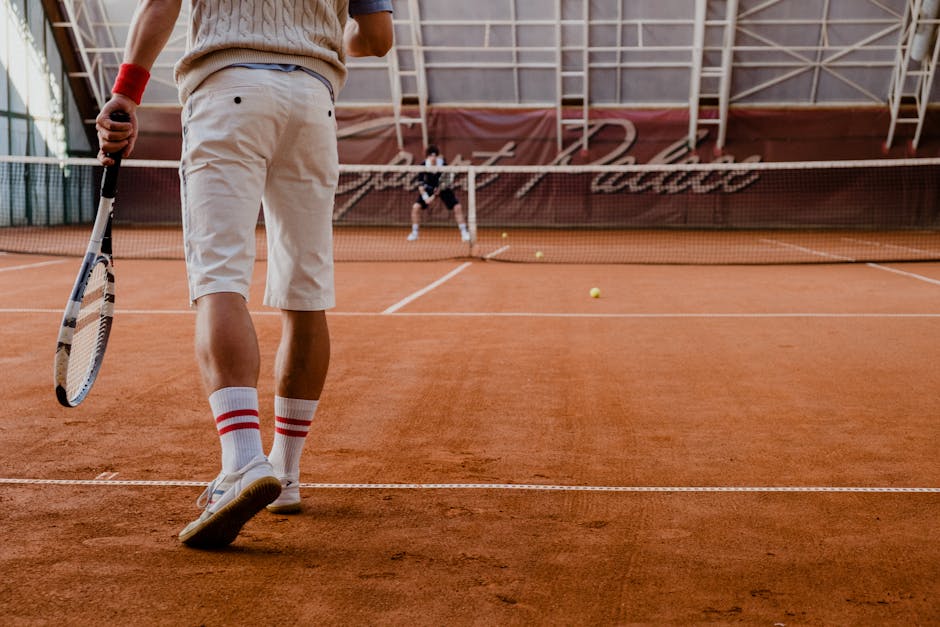
Assuming you are referring to appropriate tennis attire, players should wear comfortable clothing that allows free range of motion. Appropriate shoes with good grip are also important. Avoiding clothes that are too loose or baggy is important so you don’t get caught up in your clothing during your swing.
Wearing light colors can also help prevent overheating in hot weather. As for what not to wear, keep in mind that tennis is an active sport, so avoid wearing anything too constricting or revealing.
4. Where to Play: Where to Find Courts and Tournaments Near You
If you live in a city, chances are there are public tennis courts available for you to use. If you don't know where your local courts are, a quick Google search will help you out. You can also try searching on Facebook or Eventbrite for tennis tournaments happening near you. Once you find a tournament you’re interested in, sign up and start playing!
5. The Next Steps: How to Progress Once You’ve Mastered the Basics
You’ve mastered the basic skills of tennis and you’re ready to take your game to the next level. Here are some tips on how to progress:
1. Improve Your Footwork
Footwork is crucial in tennis and can make a big difference in your game. Working on your footwork will help you move around the court more efficiently and put you in a better position to hit the ball.
2. Develop a Stronger Forehand and Backhand
A strong forehand and backhand are key in winning points. Practice these strokes often so that you can hit them with power and accuracy when you need them most.
3. Increase Your Speed
Speed is important in tennis, both for getting to the ball and for hitting it. Working on your speed will help you cover more ground and make it difficult for your opponents to keep up with you.
4. Improve Your Stamina
Tennis is a sport that requires a lot of endurance. Playing practice matches or participating in tournaments will help you build up your stamina so that you can last through long matches.
5. Work on Your Mental Game
In addition to physical skills, tennis also requires mental toughness. Learning how to stay focused and deal with nerves is crucial for success in the game.
Key takeaways
- How to Get Started with Tennis – A Beginner’s Guide
- 1. Introduction: Why Tennis is a Great Sport for Beginners
- 2. The Basics: How to Grip a Racket, How to Hit a Ball, and the Basic Rules of the Game
- 3. Attire: What to Wear and What Not to Wear on the Court
- 4. Where to Play: Where to Find Courts and Tournaments Near You