
OVR Blog
The OVR Playbook
Ideas for a better season. Practical guides for athletes, teams and the people running sport.
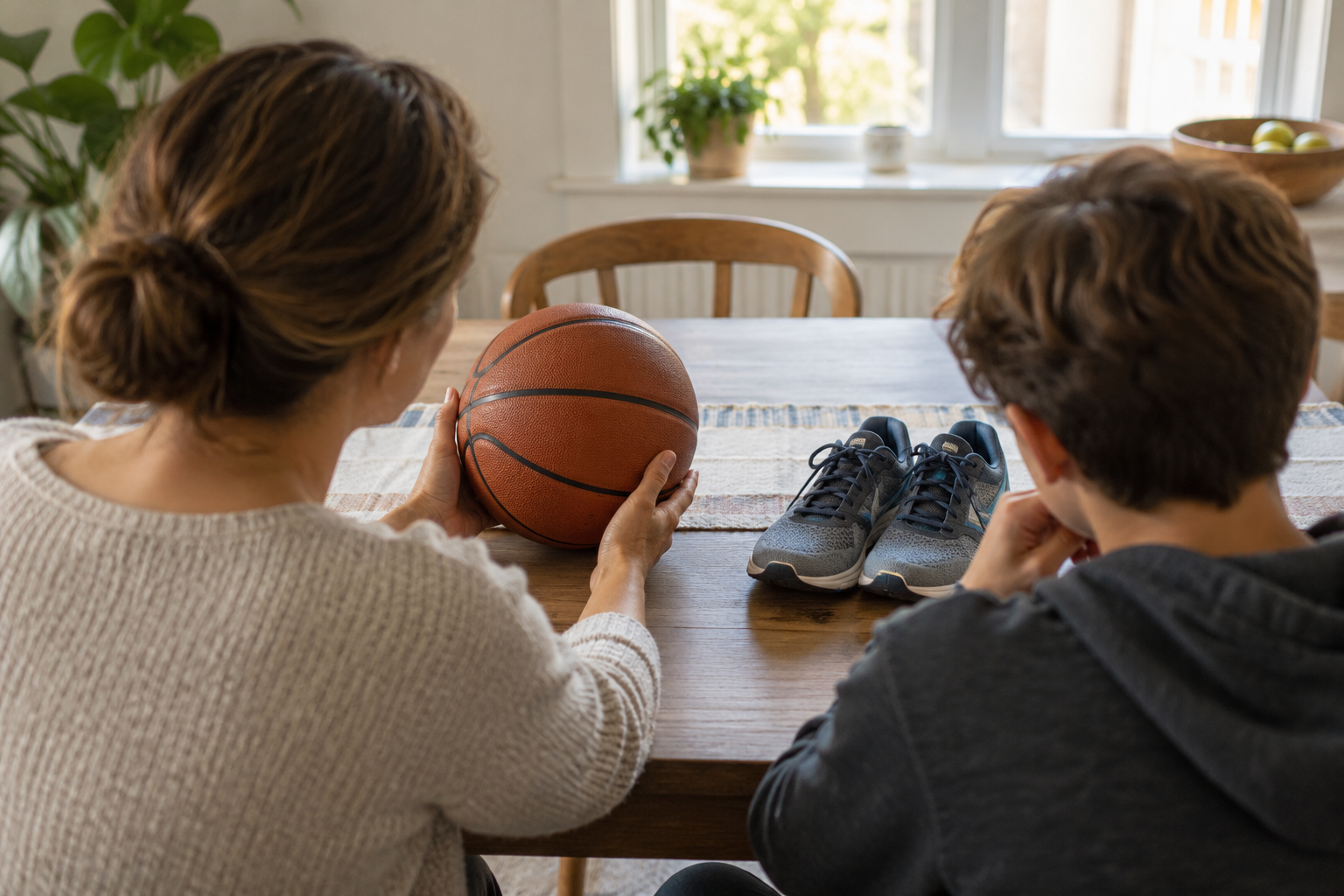
Should My Child Try a Different Sport? A Family Conversation Guide
When a young athlete wants to try another sport, start with curiosity rather than a verdict. This family conversation guide helps separate the athlete’s interest from schedule, cost, and commitment questions, then choose a low-pressure next step.
Oct 14, 2026 • 7 min
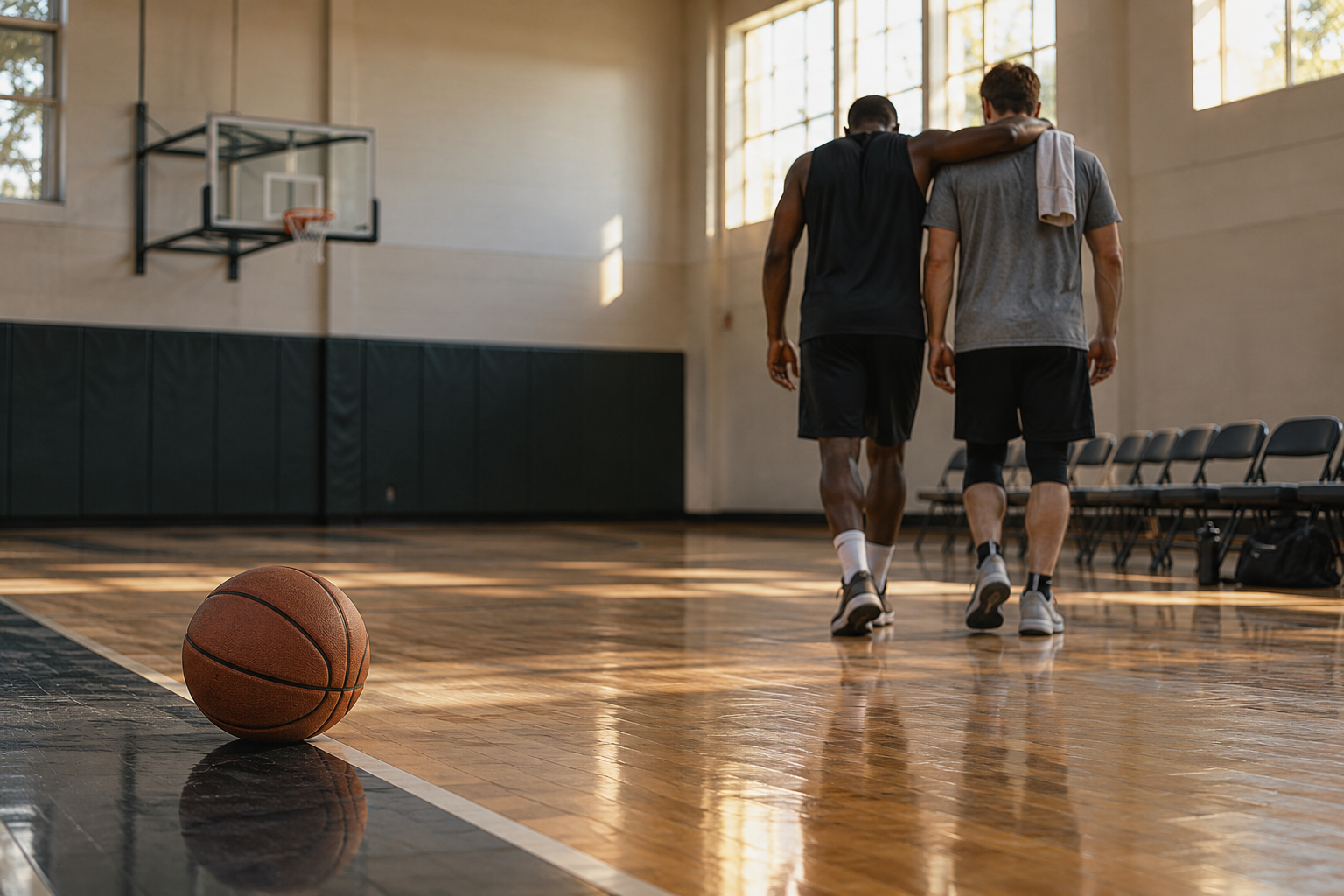
How to Help a Young Athlete Move Past One Mistake in a Game
TL;DROne mistake is a moment, not a complete description of an athlete or a game. Pause, describe the play neutrally, choose one controllable next action, and save any longer review for a calmer time. Direct answerAfter an error, help an athlete return to the next useful action i...
Oct 14, 2026 • 6 min

How to Write a Short Athlete Introduction That Sounds Like You
TL;DR: A useful athlete introduction is a small, honest snapshot—not a list of superlatives or a verdict on your ability. Name your current sport context, one thing you are working on, one interest beyond the stat line, and one next question.Direct answerA short athlete introduct...
Sep 16, 2026 • 7 min
What Is a Tournament Hub? A Practical Guide to Schedules, Results, Recaps, and Recognition
A tournament hub is most useful when it gives families and athletes one clear place to find the schedule, understand results, and keep the weekend's record from disappearing after the last game.
Sep 16, 2026 • 7 min
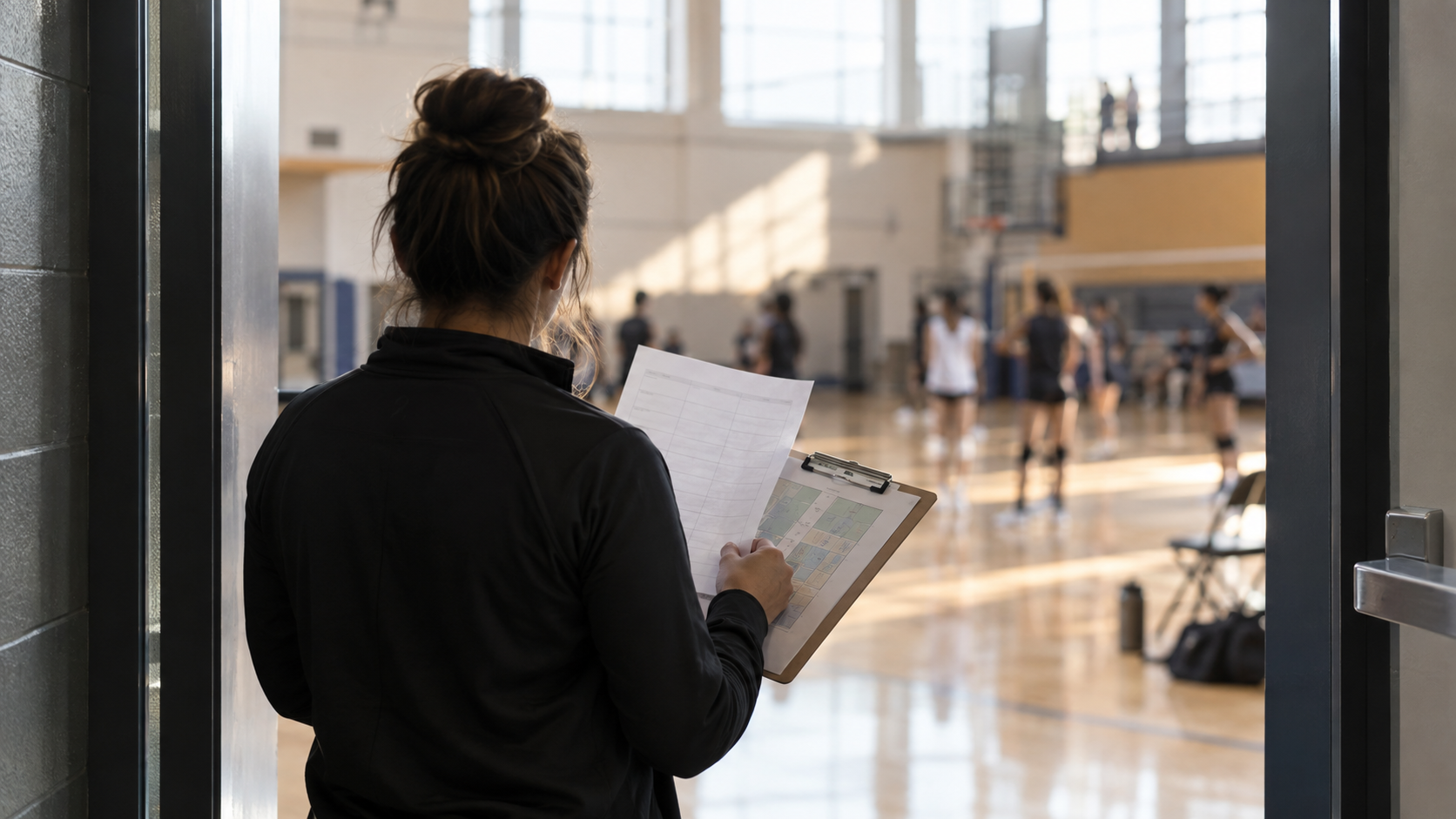
How to Make a Tournament Schedule Useful When the Weekend Has More Than One Venue
How to Make a Tournament Schedule Useful When the Weekend Has More Than One Venue TL;DR A multi-venue tournament schedule becomes useful when each game is tied to a clear place, a realistic handoff between venues, and one current update source. Do not ask families to reconstruct...
Sep 14, 2026 • 7 min

What Should Families Receive After Sports Registration? A Clear Next-Steps Checklist
What Should Families Receive After Sports Registration? A Clear Next-Steps Checklist TL;DR: A good sports-registration follow-up confirms what was received, states what happens next, and gives families one clear place to check for changes. It does not need to answer every future...
Sep 13, 2026 • 7 min

How to Write a ‘Why I Play’ Note That Still Matters After a Tough Game
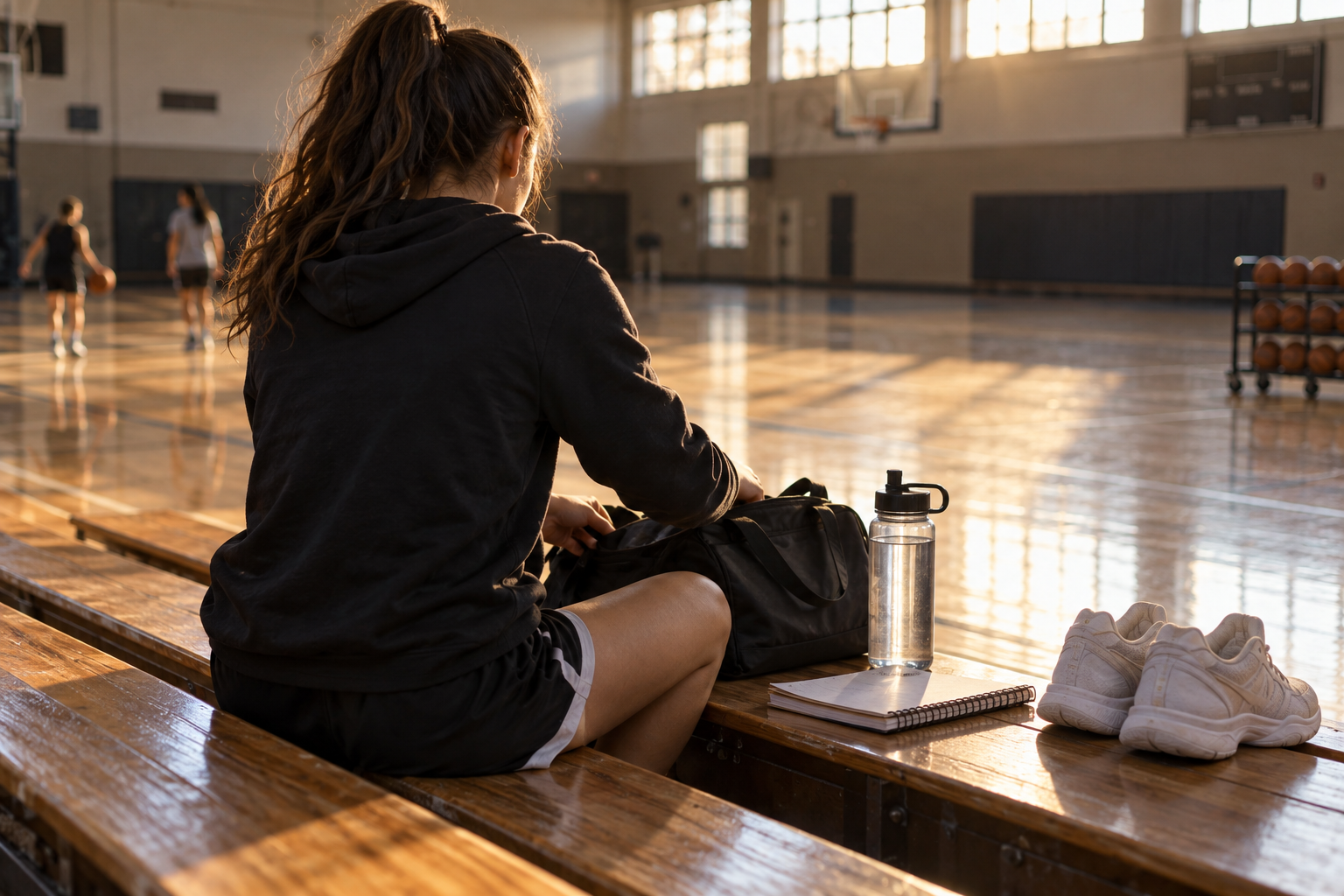
How to Write a ‘Why I Play’ Note That Still Matters After a Tough Game TL;DR: A useful ‘Why I Play’ note is a short, private reminder of what you value about your sport beyond a single result. Keep it specific enough to recognize after a hard game, then revise it when it no longe...
Sep 12, 2026 • 6 min
news
What Questions Should Parents Ask Before Signing Up for Youth Sports?
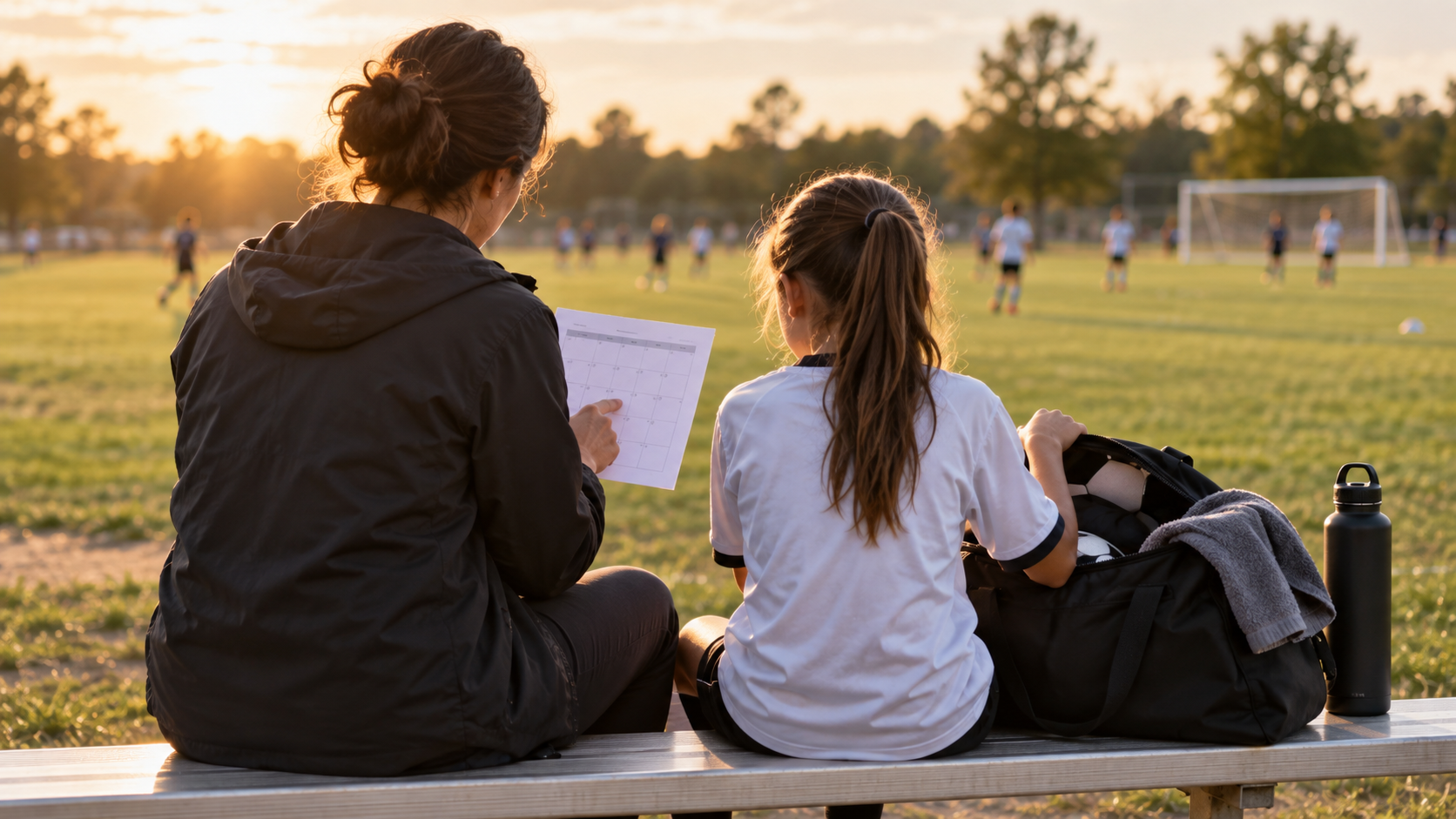
What Questions Should Parents Ask Before Signing Up for Youth Sports? TL;DR: Before signing up, ask how the program handles the everyday experience: its purpose, schedule, communication, cost, inclusion, and what a child can expect. The best questions make room for an honest fami...
Sep 11, 2026 • 8 min
news
How to Cheer for Your Team Without Tearing Down the Other Team
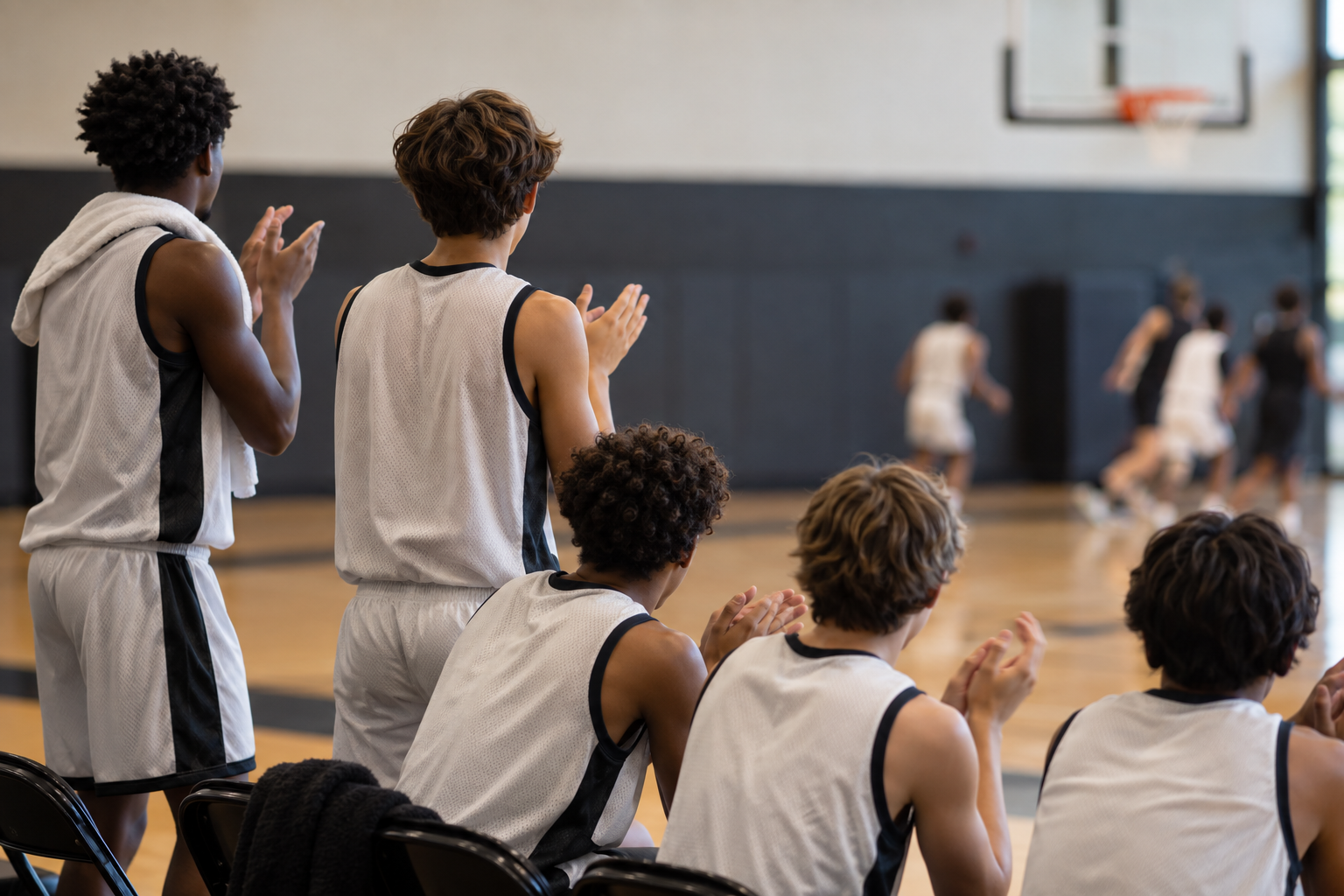
TL;DR: Strong team pride does not require a villain. Keep cheers about your own effort, connection, and next play; when the language shifts to a person or the other team, reset it before it becomes the point of the game. Direct answer You can cheer hard for your team without putt...
Sep 10, 2026 • 7 min
news
How to Start an Athlete Profile Before You Have Highlights
How to Start an Athlete Profile Before You Have Highlights TL;DR: A first athlete profile does not need a highlight reel or a long list of accomplishments. Start with a clear introduction, current context, and a few details you can stand behind; add evidence as your season gives...
Sep 9, 2026 • 7 min

How to Keep a Post-Game Tradition From Becoming a Performance Test
How to Keep a Post-Game Tradition From Becoming a Performance Test TL;DR: A good post-game tradition gives everyone a way to leave connected, whether the result was good, bad, or unfinished. Keep it brief, optional, and unrelated to playing time, points, or who made the biggest p...
Sep 8, 2026 • 7 min
How to Make a Personal Sports Reference Folder Before a New Season
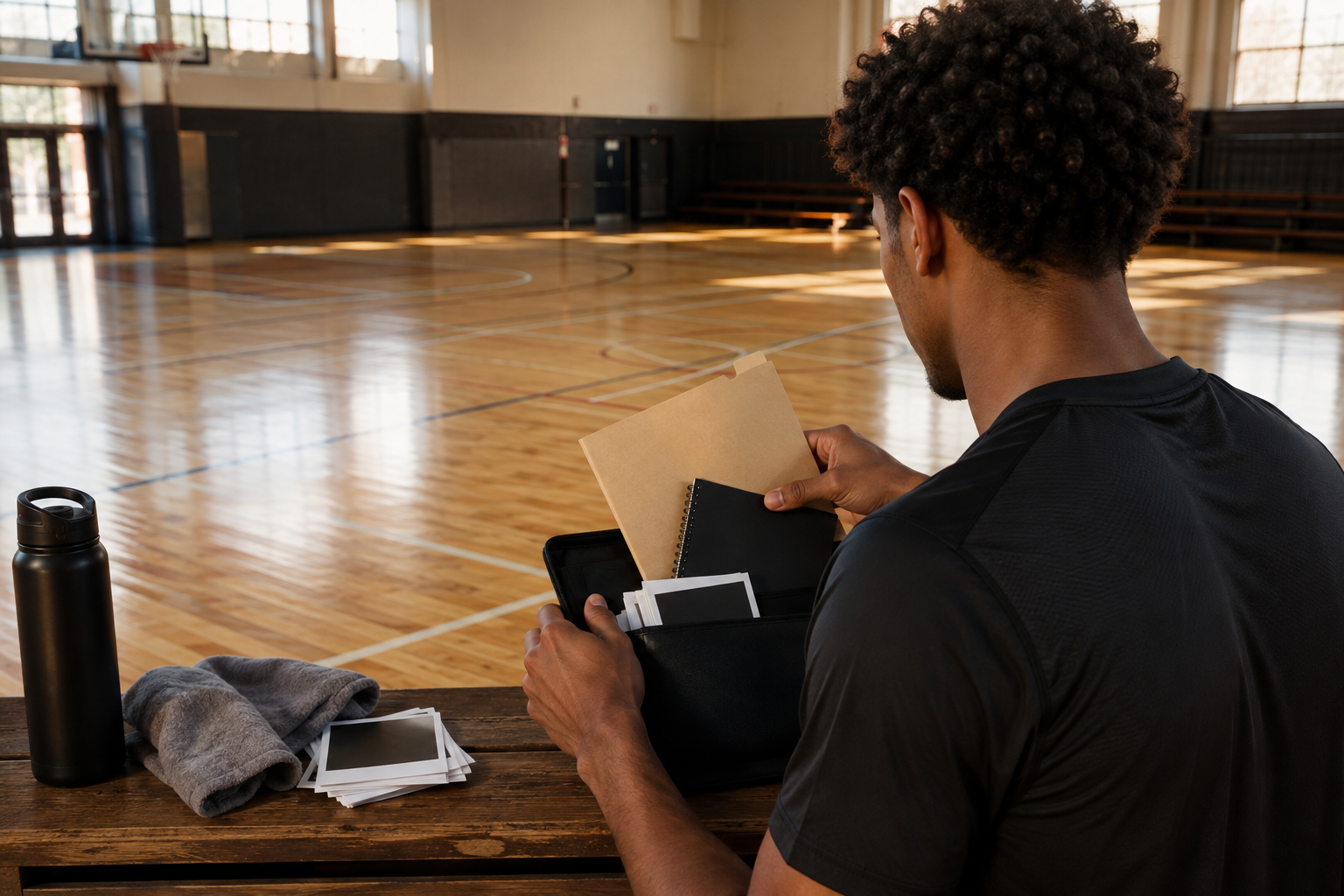
How to Make a Personal Sports Reference Folder Before a New Season TL;DR A personal sports reference folder is a small, private collection of the notes, moments, and practical details an athlete wants to carry into a new season. Keep it selective: it should make the next first pr...
Sep 7, 2026 • 7 min
How Parents Can Help a Young Athlete Bring a Question to Practice
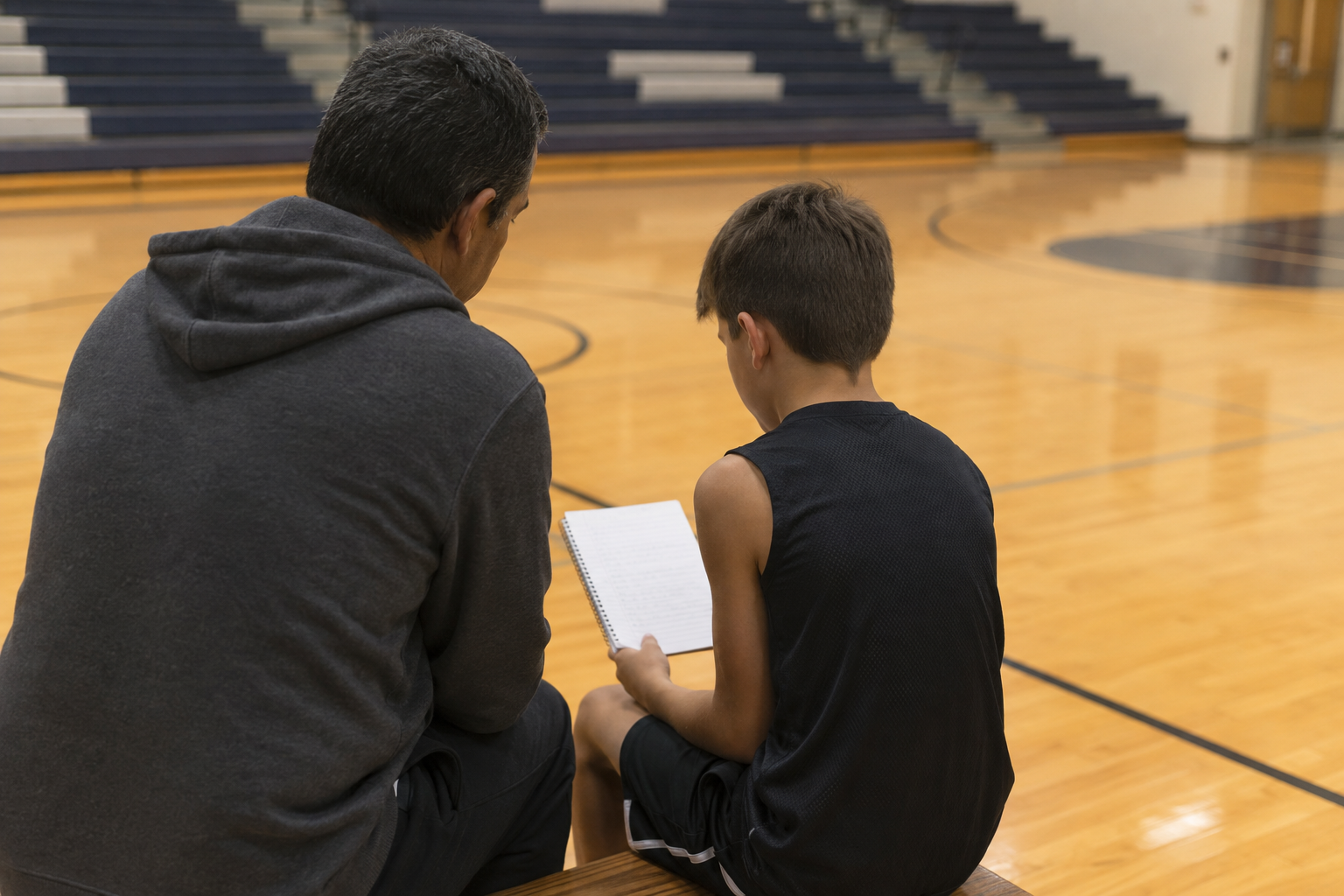
How Parents Can Help a Young Athlete Bring a Question to Practice TL;DR: Help an athlete name one specific thing they want to understand, then let them choose whether and how to raise it. The parent’s job is to make the question easier to carry—not to take over the conversation....
Sep 6, 2026 • 7 min
team
How Sports Clubs Can Stop Asking Families the Same Questions All Season
A practical question-protocol framework for clubs that want registration answers to stay useful without treating every form field as public or permanent.
Sep 5, 2026 • 7 min
How Parents Can Let Young Athletes Own More of Their Sports Experience
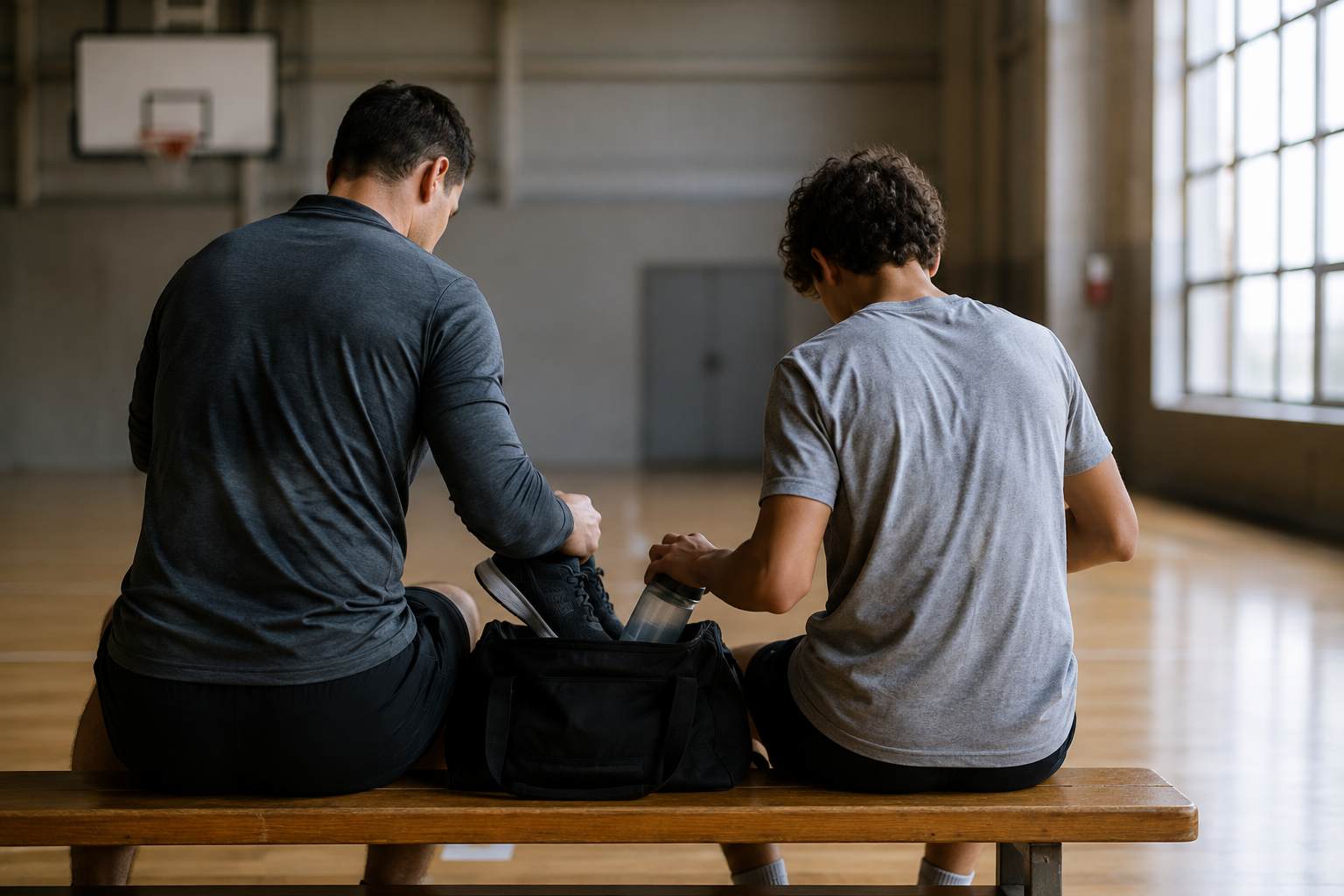
How Parents Can Let Young Athletes Own More of Their Sports Experience TL;DR: Young athletes can own more of sport when adults hand over one clear, age-appropriate responsibility at a time and stay available for the parts that still belong to adults. The goal is not independence...
Sep 4, 2026 • 7 min