
OVR Blog
The OVR Playbook
Ideas for a better season. Practical guides for athletes, teams and the people running sport.
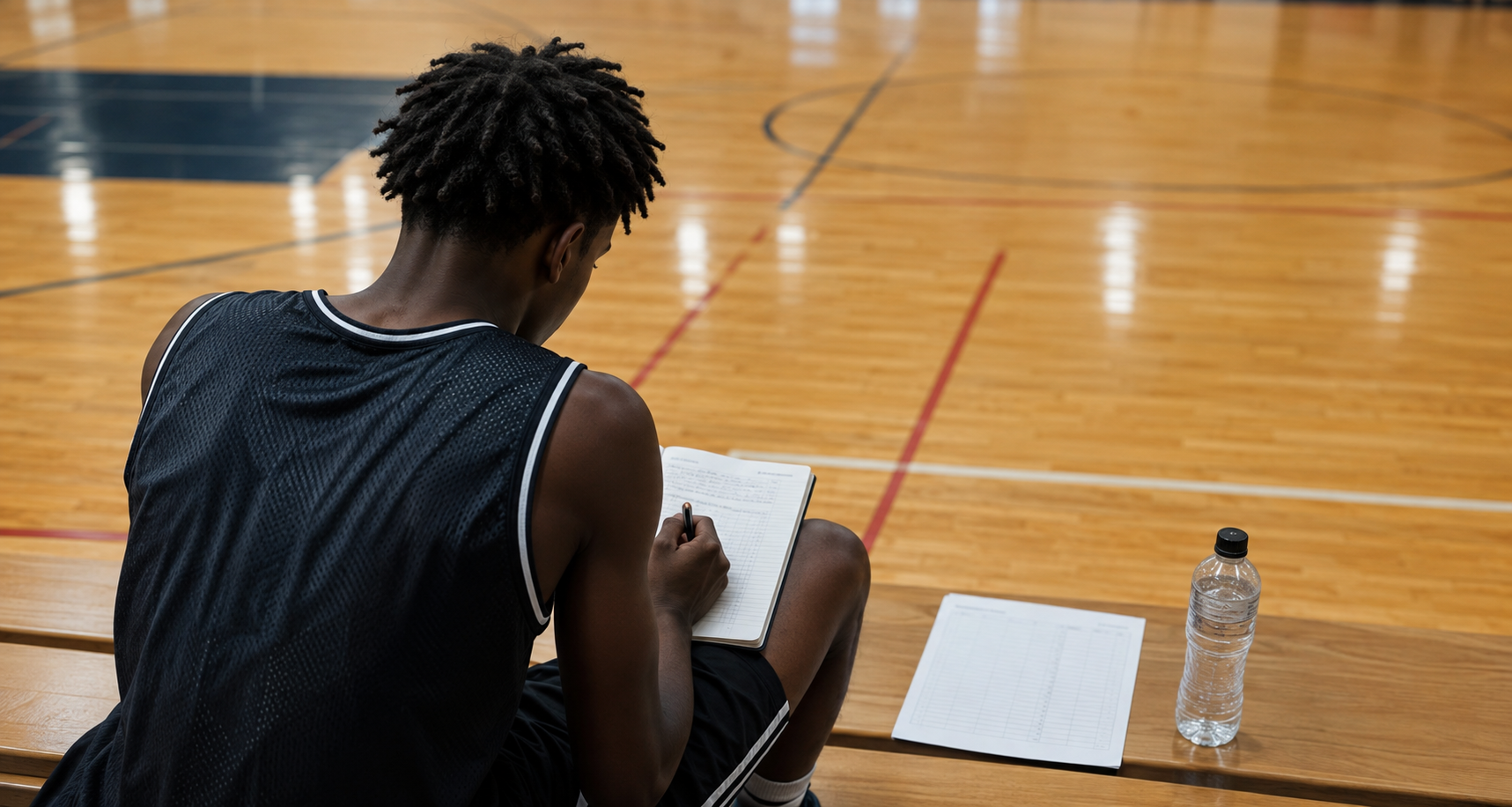
How to Keep a Personal Sports Stat Log Without Turning It Into a Ranking
How to Keep a Personal Sports Stat Log Without Turning It Into a Ranking TL;DR A personal sports stat log works best when a number stays attached to its game, source, and a short note about what it means to you. Keep it small enough to review, and do not let it become a running v...
Sep 3, 2026 • 7 min
team
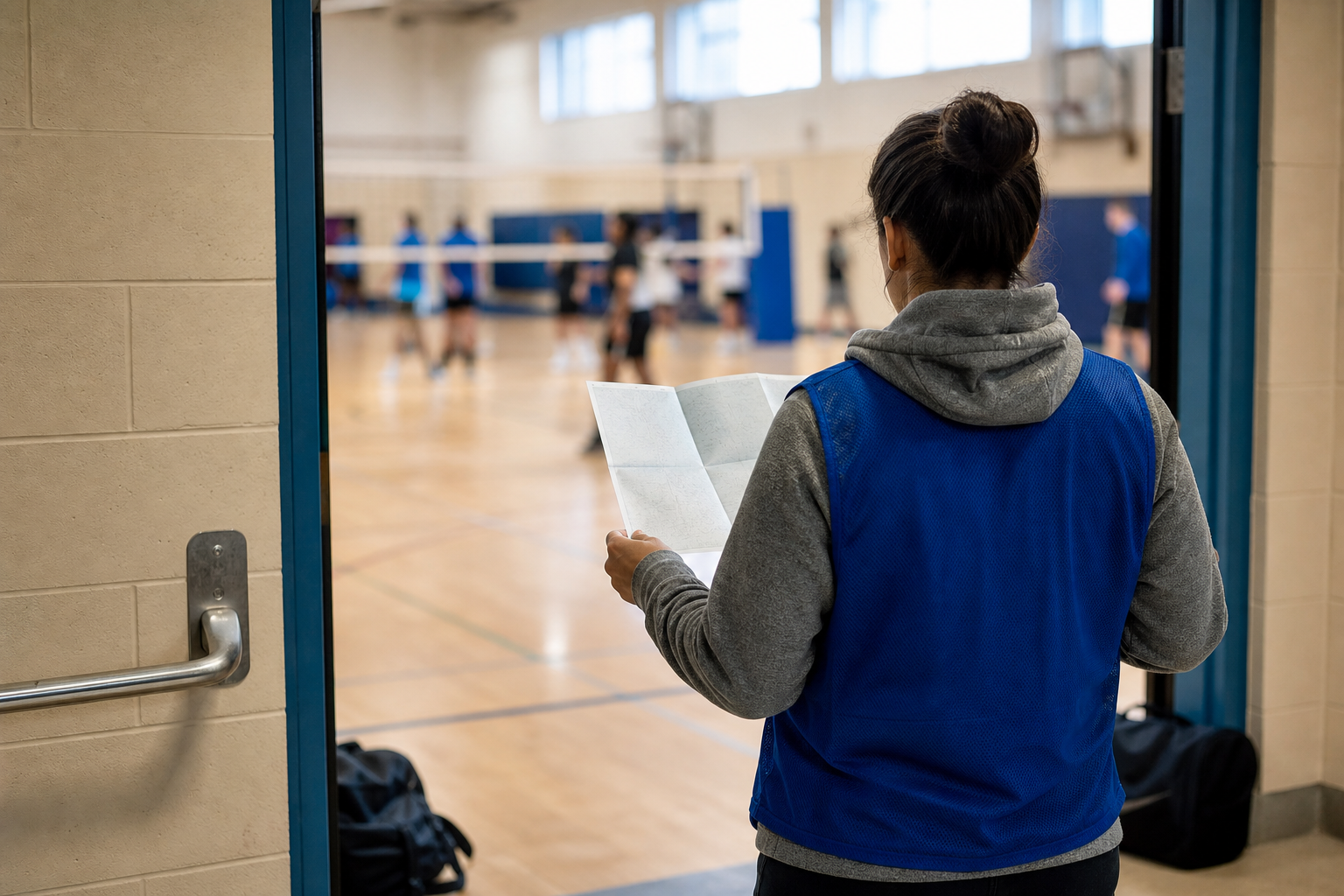
What a Tournament Venue Page Should Answer Before Families Leave Home
TL;DR A tournament venue page is useful when it answers the practical questions a family needs before departure: where to go, when to arrive, what to bring, what can change, and where the current update lives. Put those answers in one calm, scannable place instead of making famil...
Sep 2, 2026 • 7 min
How to Celebrate a Win Without Turning It Into a Verdict
How to Celebrate a Win Without Turning It Into a Verdict TL;DR: Celebrate the win, then make room for the effort, the people, and the next lesson that helped create it. One result can be joyful and meaningful without becoming proof of who an athlete is or will be. Direct answer A...
Sep 1, 2026 • 7 min
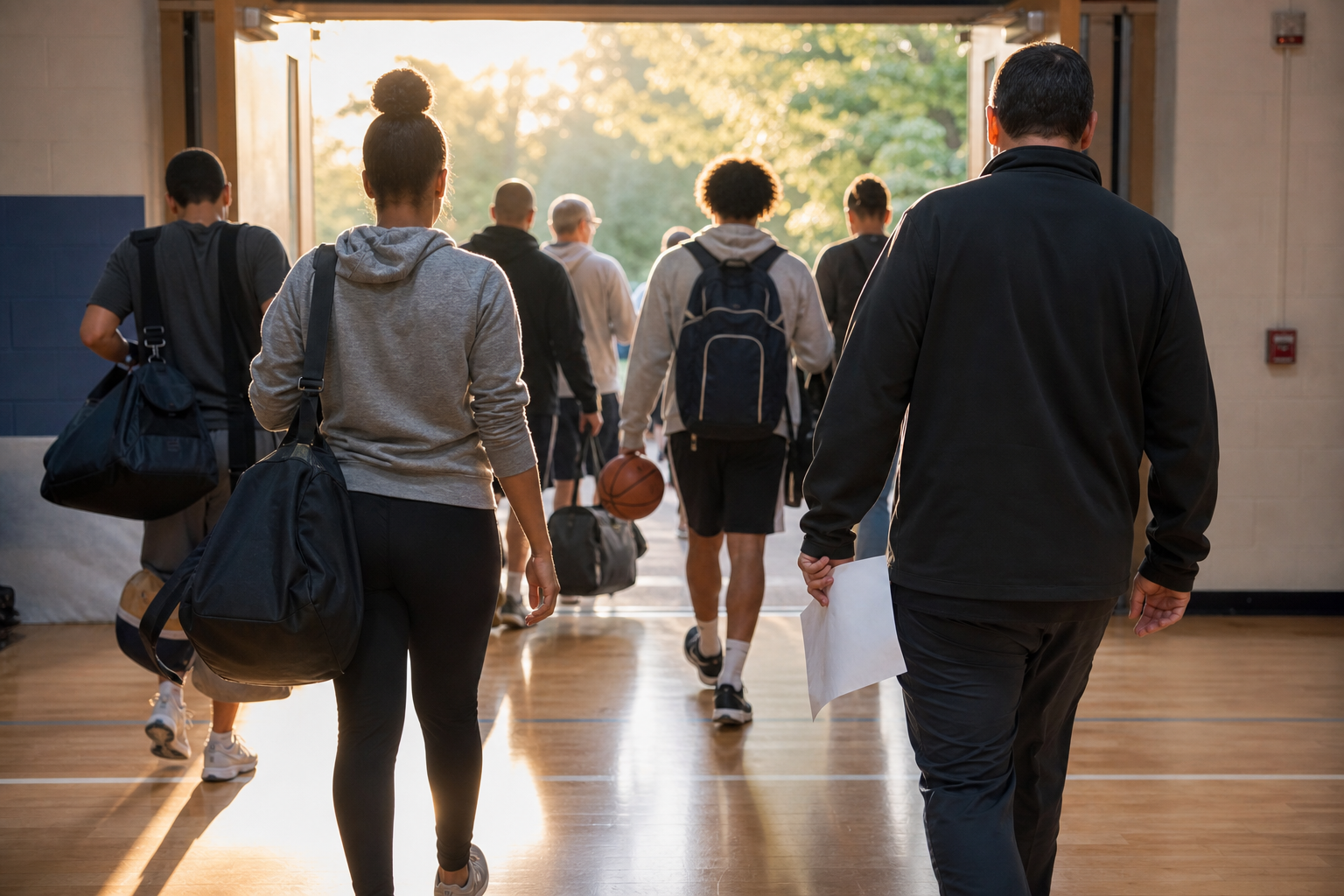
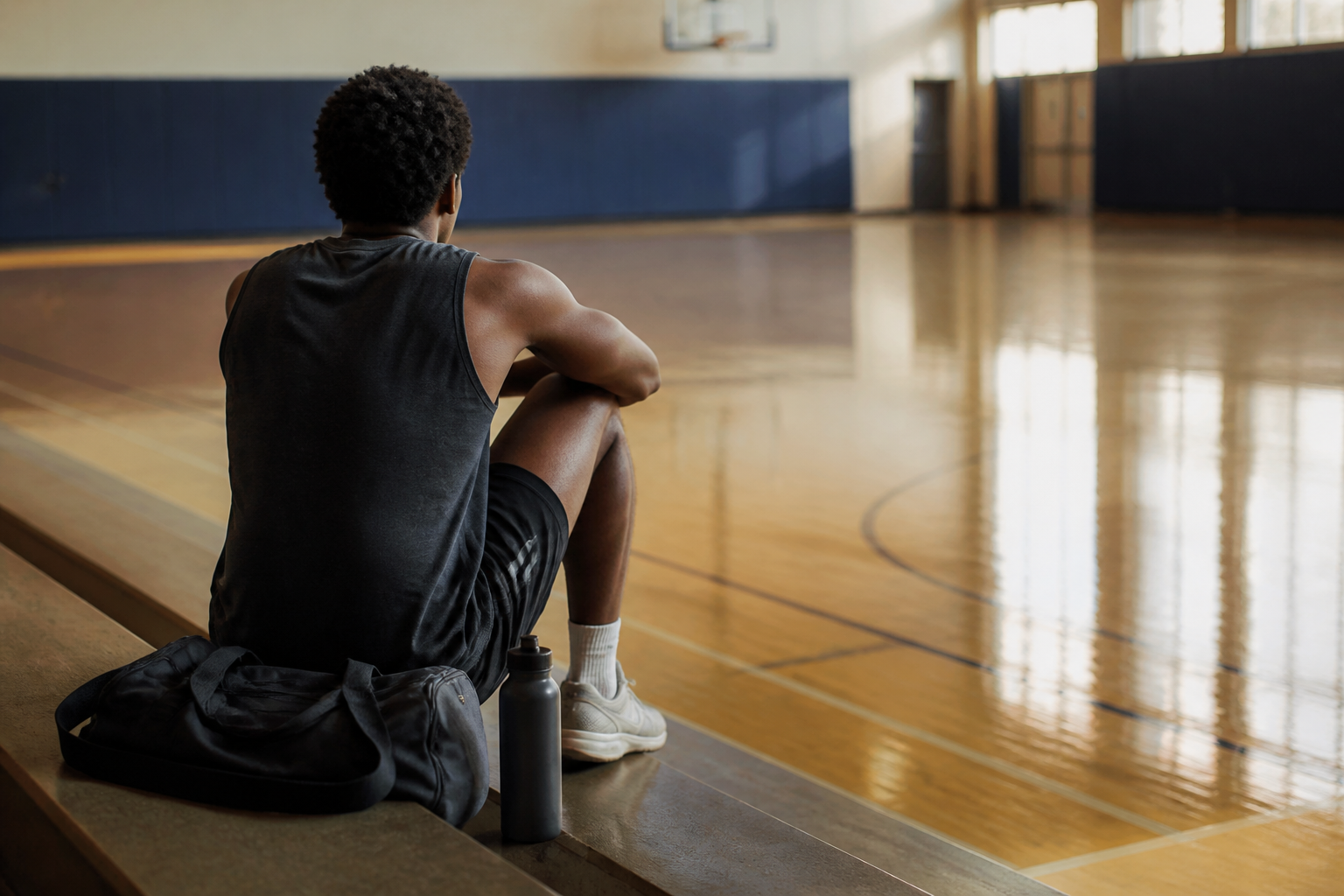
A Tournament Weekend Plan Families Can Read in Two Minutes
A Tournament Weekend Plan Families Can Read in Two Minutes TL;DR: Before a tournament weekend, give families one short plan that answers where to be, when to be there, what may change, and where the current information lives. The goal is not to predict every detail; it is to make...
Aug 31, 2026 • 6 min
news
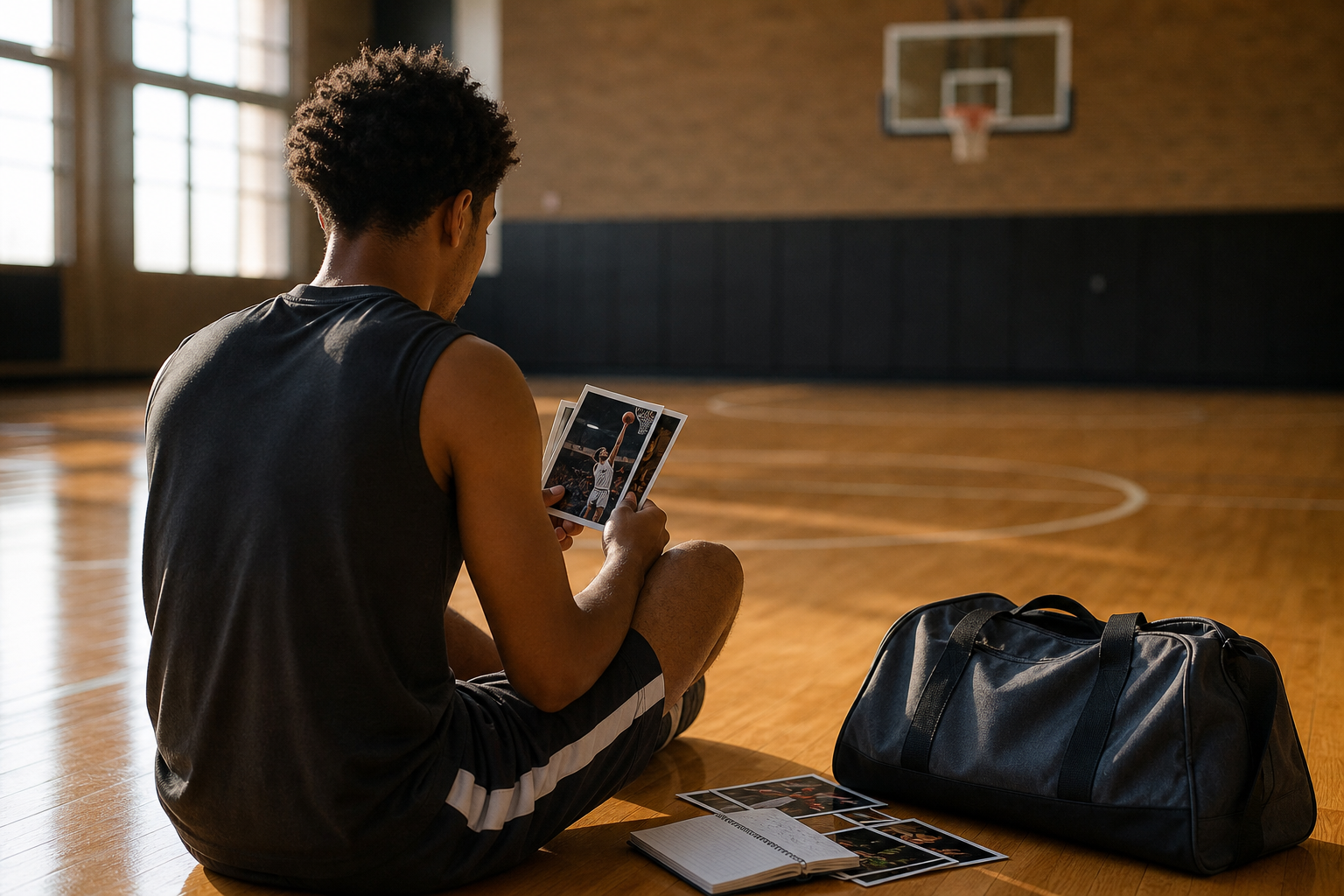
How to Keep Sport in Its Place Without Caring Less About It
How to Keep Sport in Its Place Without Caring Less About It TL;DR: Caring about a sport and being consumed by every result are not the same thing. A useful reset separates what happened in the game, what can be learned from it, and the person who played it. Direct answer Sport ca...
Aug 30, 2026 • 6 min
news
How to Keep a Personal Sports Photo Archive That Still Feels Like Yours
How to Keep a Personal Sports Photo Archive That Still Feels Like YoursTL;DR: A useful sports photo archive is small, labeled, and chosen by the athlete—not a feed of every moment. Save a few images with enough context to remember the season, then leave the rest alone.Direct answ...
Aug 29, 2026 • 7 min
Is Travel Sport Worth It for Your Family? A Decision Framework, Not a Verdict
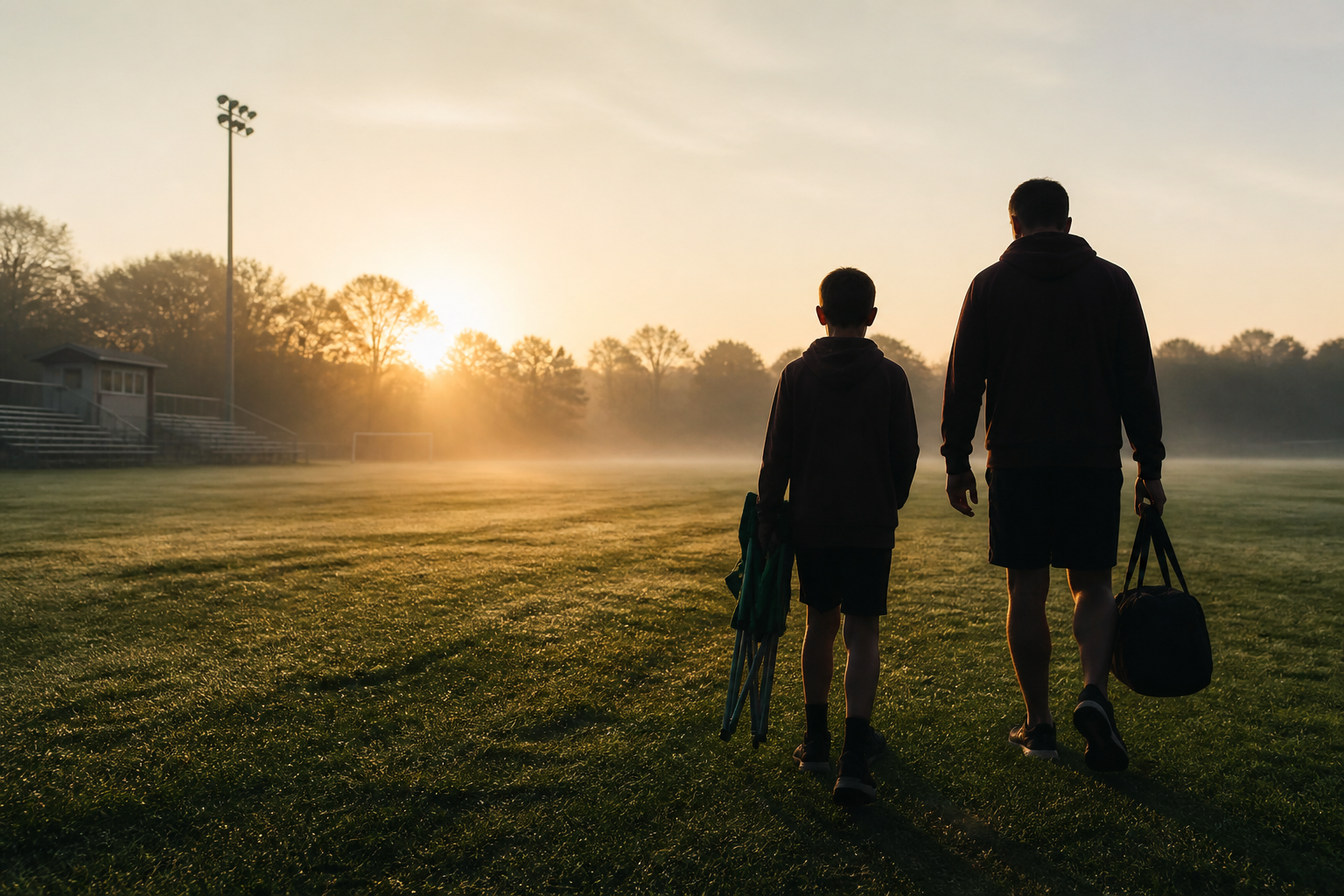
Is Travel Sport Worth It for Your Family? A Decision Framework, Not a VerdictTL;DR: Travel sport is worth considering only when the athlete’s interest, the actual commitment, and the family’s capacity line up. A good decision is specific, reversible when possible, and revisited a...
Aug 27, 2026 • 7 min
How to Read a Tournament Results Page Without Missing the Story
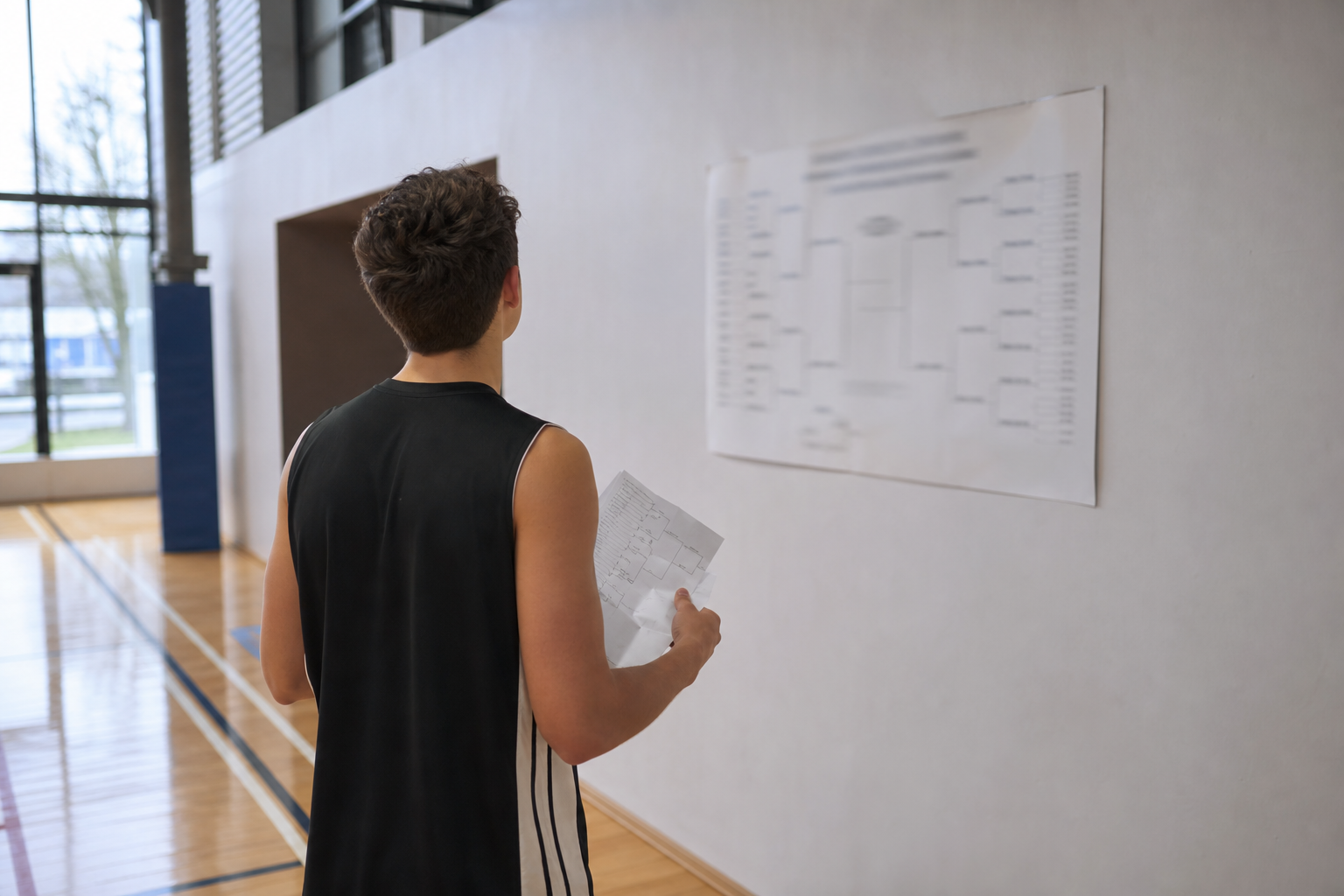
How to Read a Tournament Results Page Without Missing the Story TL;DR: A useful tournament results page lets you trace the event in order: where a team started, when it played, what was decided, and what belongs in the record afterward. Start with the schedule and division contex...
Aug 26, 2026 • 6 min
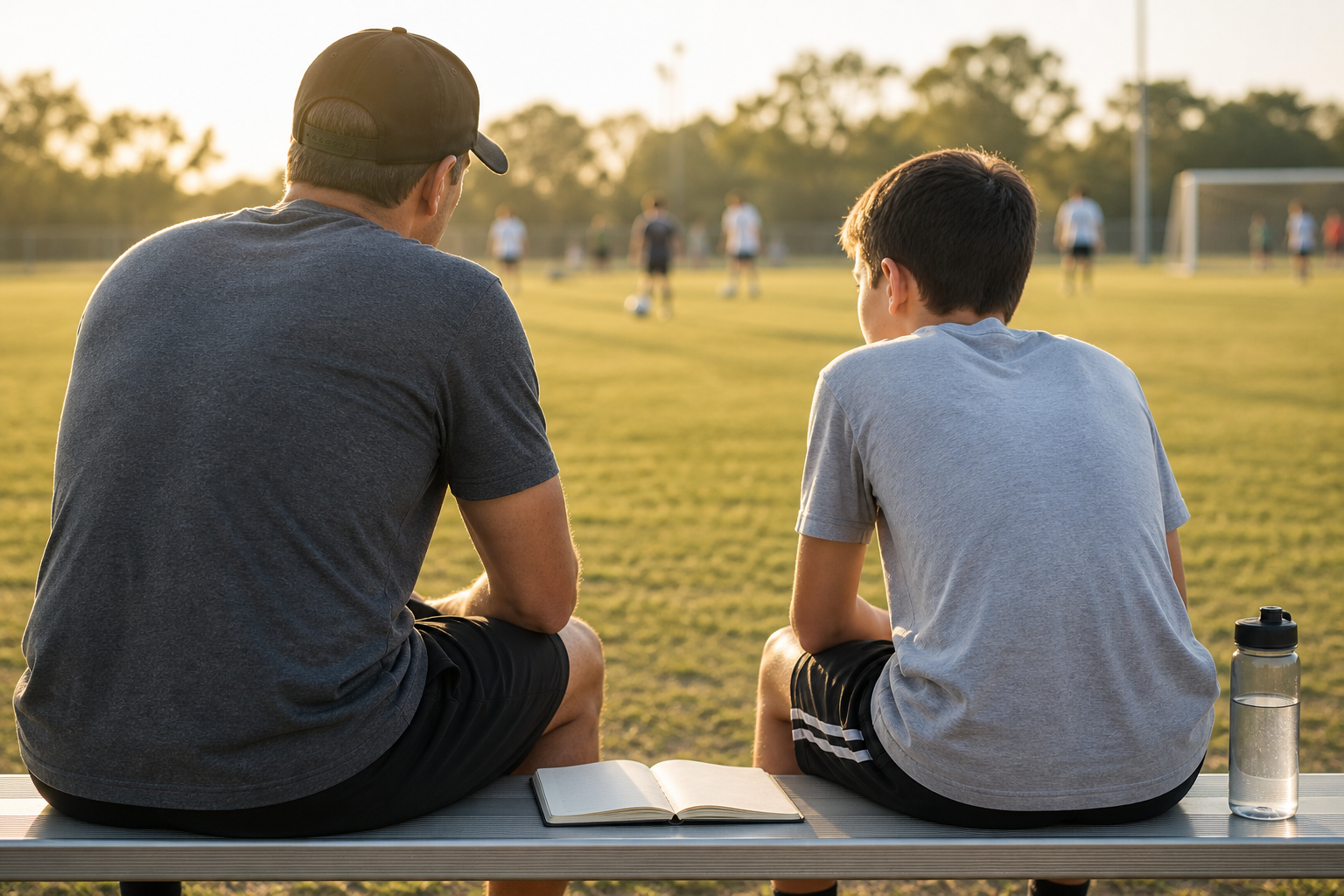
How Parents Can Help a Young Athlete Set a Season Goal Without Making It a Grade
How Parents Can Help a Young Athlete Set a Season Goal Without Making It a GradeTL;DR: A useful season goal starts with what the athlete wants to experience, practice, or learn—not with a result an adult can measure from the sideline. Keep the goal small, revisable, and connected...
Aug 25, 2026 • 7 min

How to Build a Pre-Game Routine You Can Actually Repeat
TL;DRA useful pre-game routine is short, personal, and built around actions an athlete can control—not around trying to force a certain feeling. Pick a few repeatable steps for preparation, attention, and the first moments of play, then adjust them only after several games.Direct...
Aug 24, 2026 • 5 min
team
How to Communicate a Weather Delay at a Youth Sports Event
TL;DR A weather-delay message works when it tells families who is making the call, what has changed, where to wait, and exactly when to look again. The goal is not to predict the weather; it is to replace rumor and scattered group-chat updates with one calm, repeatable informatio...
Aug 23, 2026 • 7 min
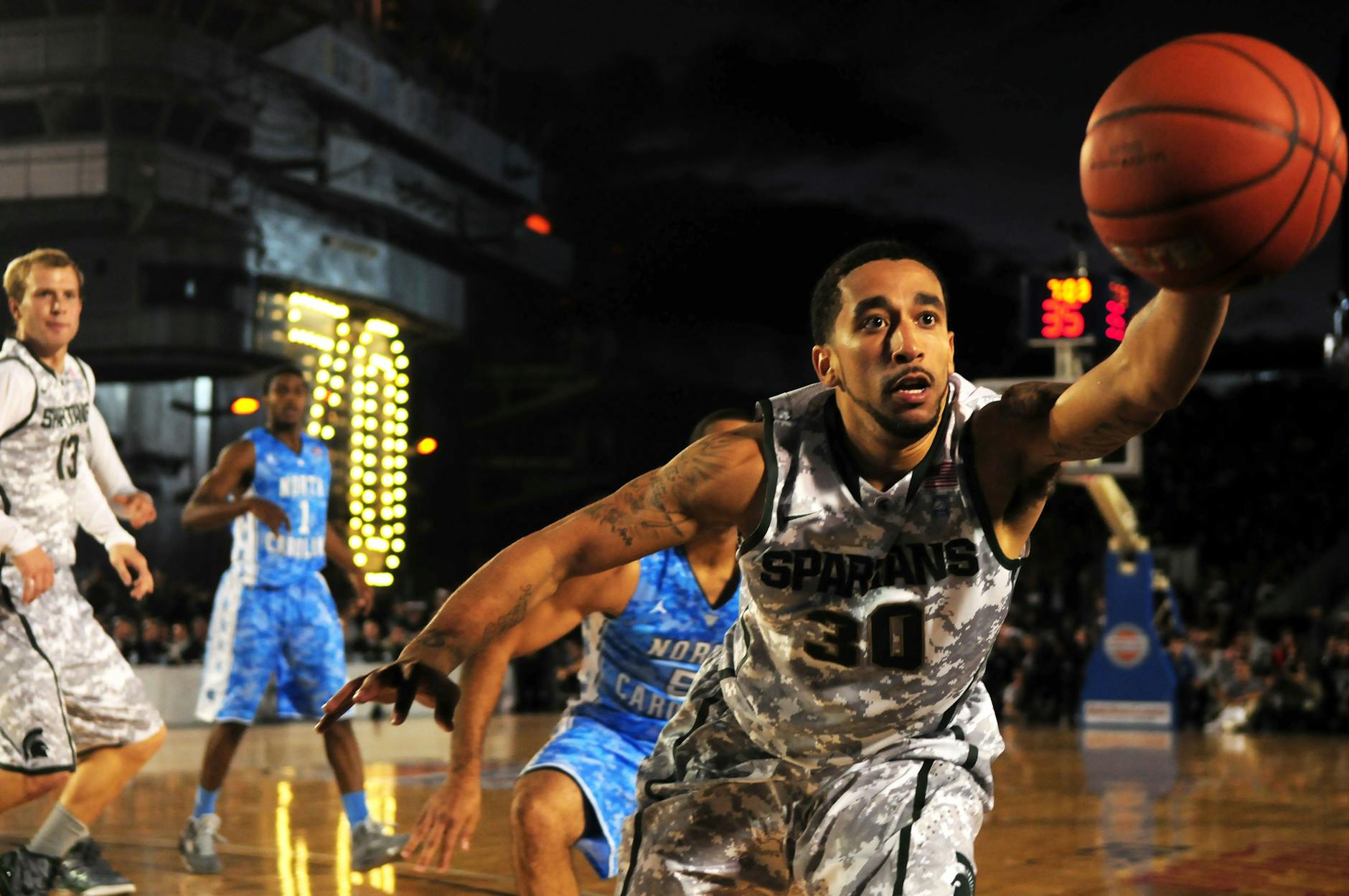
Free vs Paid Athlete Recruiting Platforms: Which Works Better
A practical guide to free vs paid athlete recruiting platforms: which works better for athletes, families, coaches, and teams, with a clear OVR workflow for athlete identity, proof, and recruiting visibility.
Aug 23, 2026 • 4 min
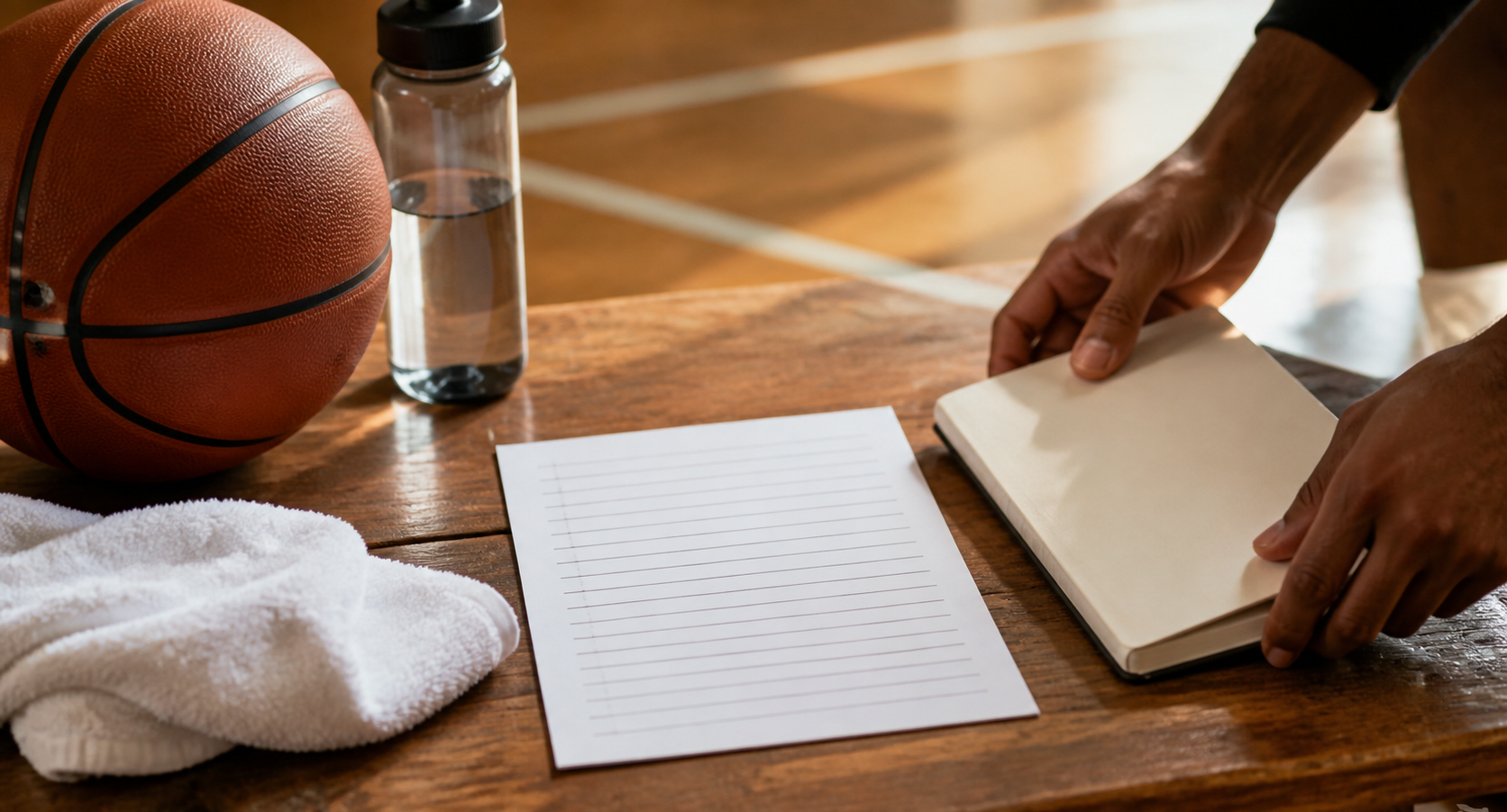
How to Turn a Season Recap Into a Useful Athlete Page
TL;DR: A useful season recap is not a highlight reel or a grade. It is a short, athlete-owned record of what happened, what mattered, and what to carry forward. Start with a clear season label, select a few moments with context, add one reflection, and leave room to update it lat...
Aug 22, 2026 • 7 min
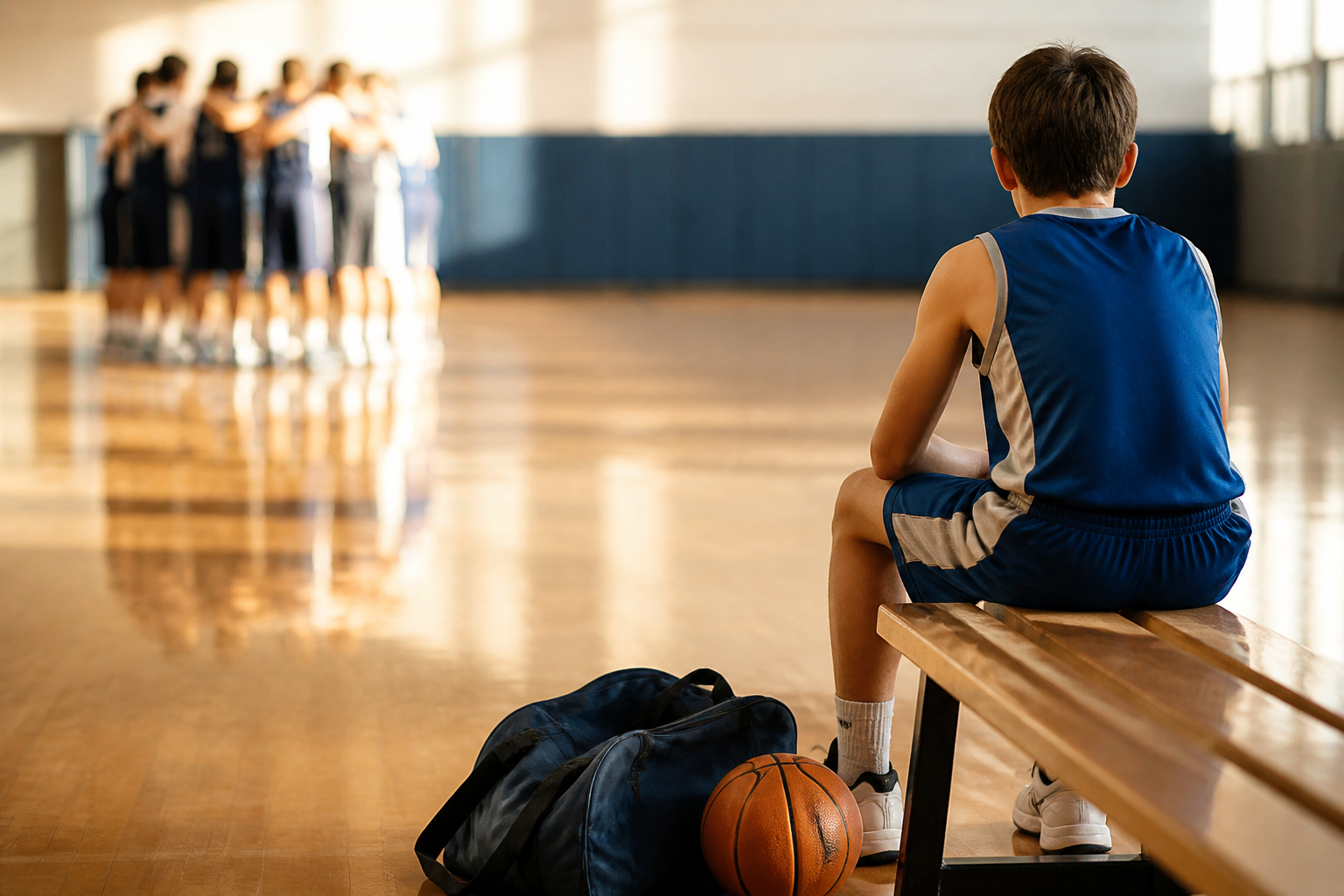
How to Be a Good Sport After a Loss: A Simple Youth Sports Reset
TL;DR: Being a good sport after a loss does not mean pretending the loss did not hurt. It means making room for the feeling, treating opponents and teammates with respect, and choosing one useful next step instead of turning one result into a verdict on a player.Direct answerAfte...
Aug 21, 2026 • 6 min
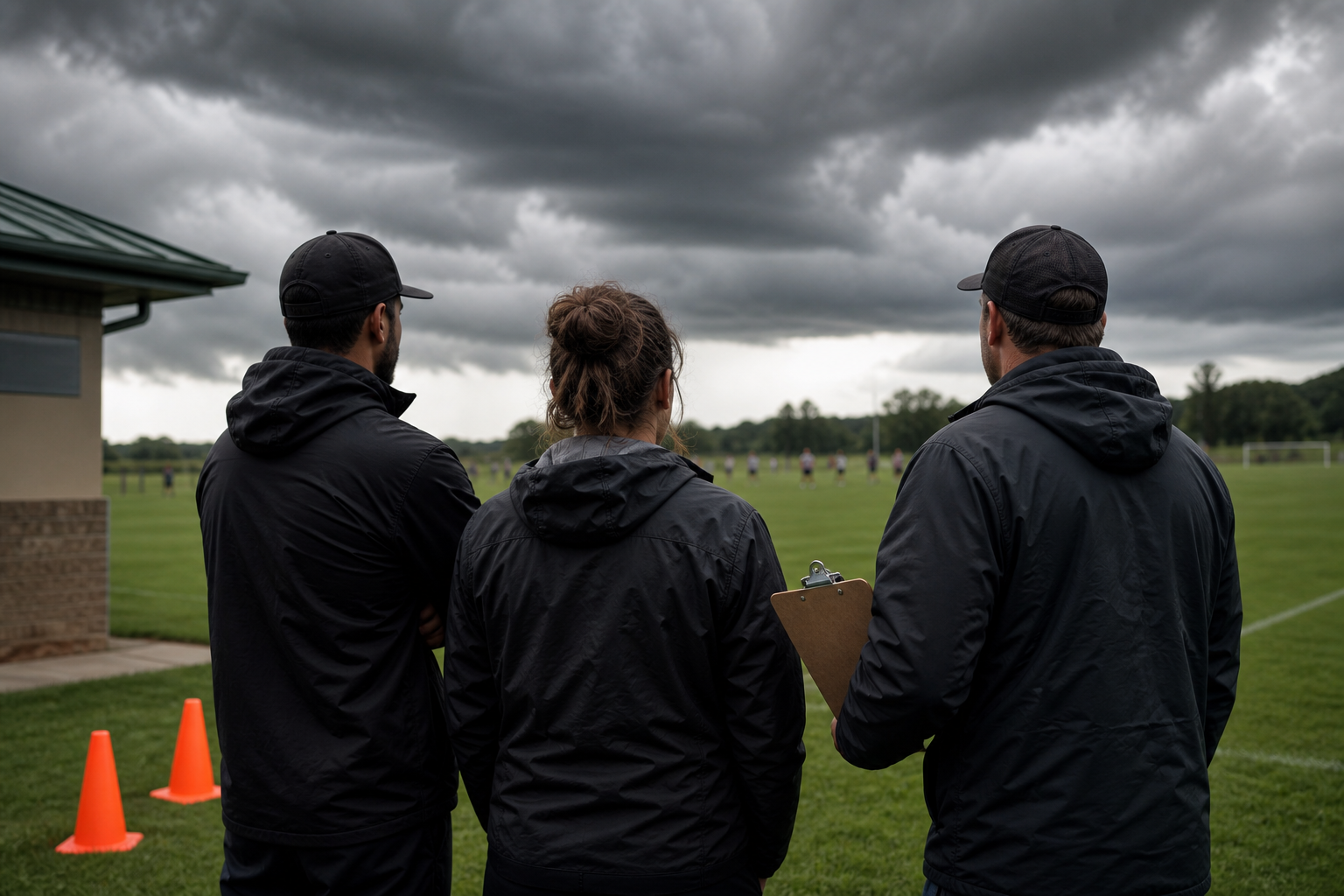
What Should an Outdoor Sports Lightning Plan Include?
TL;DR: An outdoor sports lightning plan should name who watches conditions, where people go, how a pause is communicated, and who decides when activity can resume. The safest time to settle those details is before teams arrive—not when a storm is already close. Direct answer An o...
Aug 20, 2026 • 6 min