
OVR Blog
The OVR Playbook
Ideas for a better season. Practical guides for athletes, teams and the people running sport.
How to Keep Youth Sports Fun When Results Matter
TL;DR Keeping youth sports fun does not mean pretending results do not exist. It means putting effort, learning, connection, and the athlete’s own experience beside the score instead of letting the score explain the whole season. Direct answer To keep youth sports fun when result...
Aug 19, 2026 • 7 min

news
How to Do a Personal Season Review Without Turning It Into a Grade
TL;DRA useful personal season review is short, specific, and owned by the athlete. Look back at one goal, a few moments, and one next step; do not turn the review into a grade, a comparison, or a public performance.Direct answerTo review a sports season without turning it into a...
Aug 18, 2026 • 7 min
team
How Parents Can Help an Athlete Make a Season Record Without Taking It Over
TL;DRParents can help preserve a season by gathering a few dated items, asking simple questions, and letting the athlete decide what matters. The record should support memory and the next step—not become a scrapbook, ranking, or parent-written verdict. Direct answerThe best paren...
Aug 15, 2026 • 5 min
team
What Makes a Season Record Useful After the Final Game?
What Makes a Season Record Useful After the Final Game? TL;DR: A useful season record is short enough to revisit and specific enough to restore context: what you worked on, what changed, which moments mattered, and what you want to carry forward. It is a truthful reference point...
Aug 15, 2026 • 7 min
How to Keep a Practice Notebook That Helps You Remember What You’re Learning
A simple, athlete-owned practice notebook can turn scattered memories into a useful record of what to repeat, ask, and celebrate—without making every practice a performance review.
Aug 14, 2026 • 7 min
How to Talk to Your Child's Coach: A Calm Conversation Framework
How to Talk to Your Child's Coach: A Calm Conversation Framework TL;DR: Start with what you observed, ask for the coach's context, make one clear request, and agree on what happens next. A good parent-coach conversation is usually short, specific, and centered on helping the athl...
Aug 13, 2026 • 7 min
How Coaches Can Make Bench Time Less Isolating for Young Athletes
Direct answerBench time feels less isolating when a coach makes three things clear: what the athlete can do while they are out, what they should look for when they re-enter, and when the next conversation can happen. The goal is not to make every athlete happy with every decision...
Aug 7, 2026 • 6 min
Three Questions Coaches Can Ask Before the First Practice
Direct answer Before the first practice, ask athletes three short questions: What are you hoping to get better at? What helps you feel ready to take part? and How can you help this team? The point is not to collect perfect answers or make promises. It is to learn names, reduce gu...
Aug 5, 2026 • 6 min

team
How Coaches Can Set Effort Goals Athletes Can Actually Use
A practical effort-goal format for coaches: choose one observable action, let athletes help define it, revisit it briefly, and separate it from the final score.
Aug 4, 2026 • 7 min
What to Say to a Young Athlete After a Game: A Parent’s 3-Question Reset
A simple post-game conversation framework for parents and caregivers: reconnect first, let the athlete choose how much to share, and save analysis for another time.
Aug 3, 2026 • 6 min
team
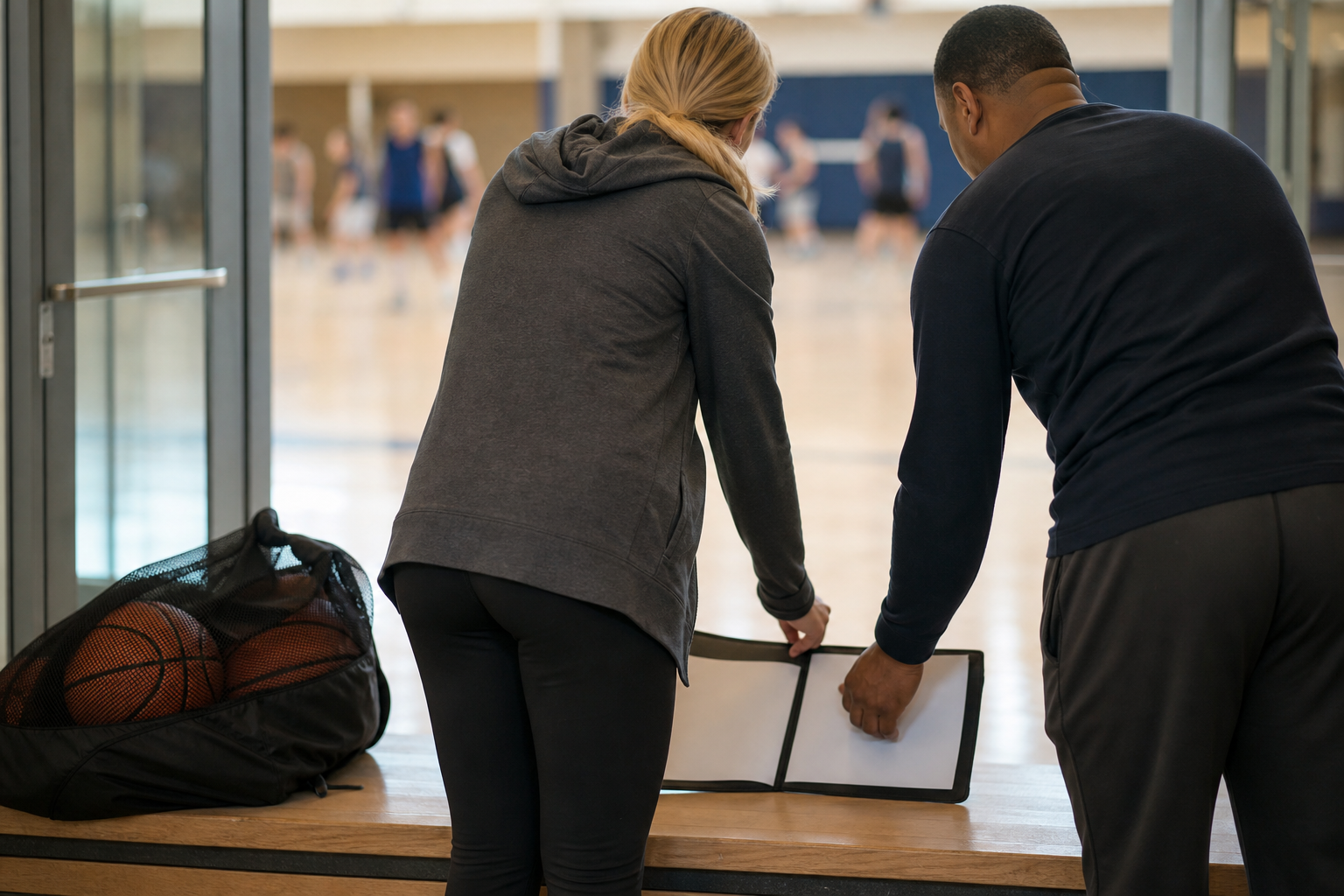
How to Welcome New Families to a Sports Team Without Overloading Them
A practical first-week welcome system for coaches, team parents, and clubs: give new families one reliable starting point, the few details they need now, and a clear way to ask questions.
Aug 2, 2026 • 7 min

team
How to Share Team Parent Volunteer Roles Without Creating More Group-Chat Noise
Direct answerTeam parent volunteer roles work best when each role has one small, visible job, a clear time boundary, and one approved place for updates. Instead of asking families to ‘help however they can,’ name the task, say what it does not include, and make it easy to decline...
Aug 1, 2026 • 7 min

team
How to Make a First Tournament Weekend Feel Manageable for Young Athletes
A low-pressure preparation plan for a young athlete’s first tournament weekend: clarify the basics, protect recovery time, and keep the focus on the experience rather than the result.
Jul 31, 2026 • 7 min

team
How Often Should a Coach Check In During Training?
A practical rhythm for coach-athlete check-ins that keeps feedback specific, brief, and useful without turning practice into a meeting.
Jul 30, 2026 • 7 min
team
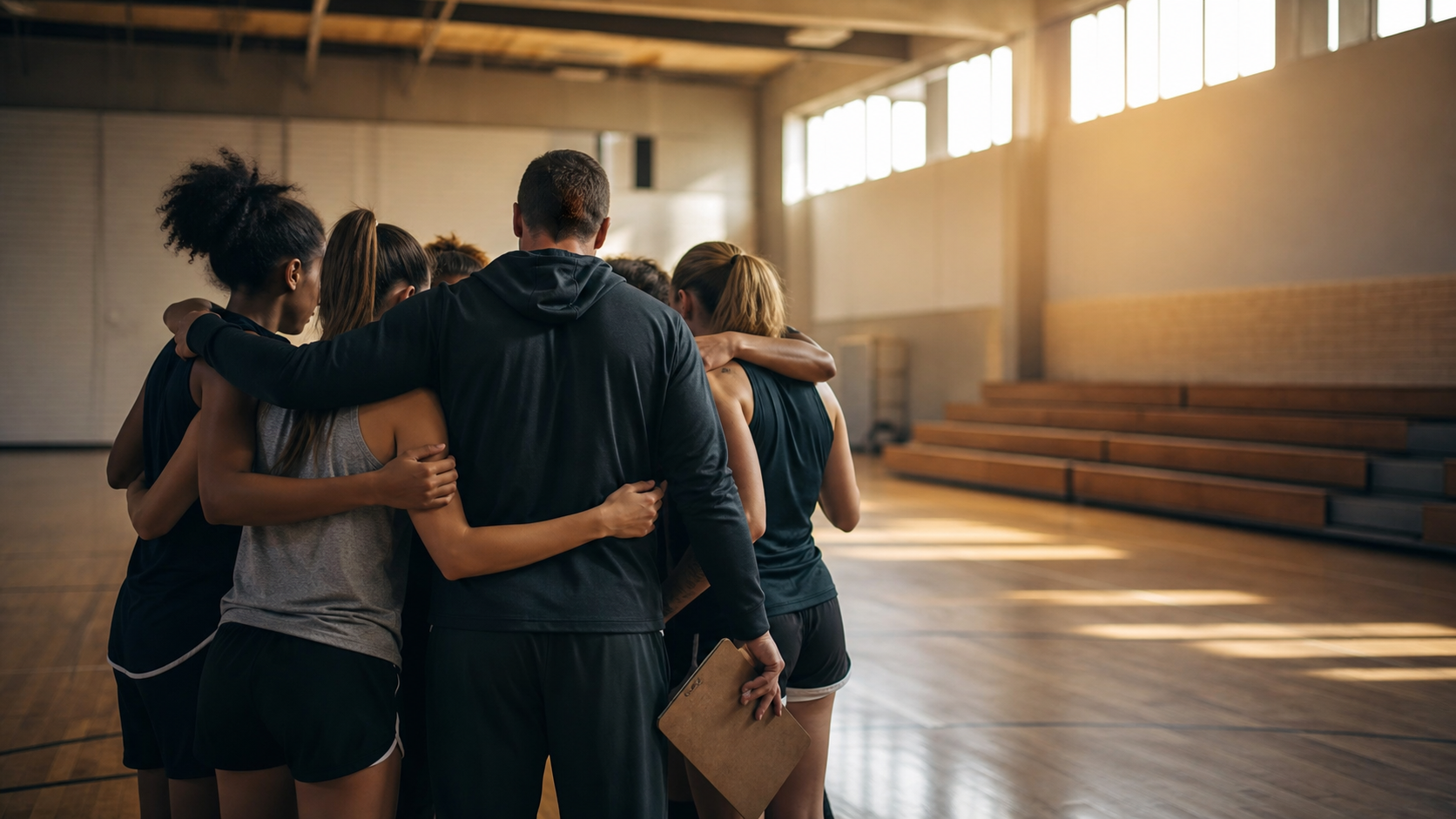
How to Build a Team Tradition That Does Not Depend on Winning
A practical way for coaches and team leaders to create a repeatable ritual that recognizes preparation, connection, and contribution—whether the result goes your way or not.
Jul 29, 2026 • 7 min