
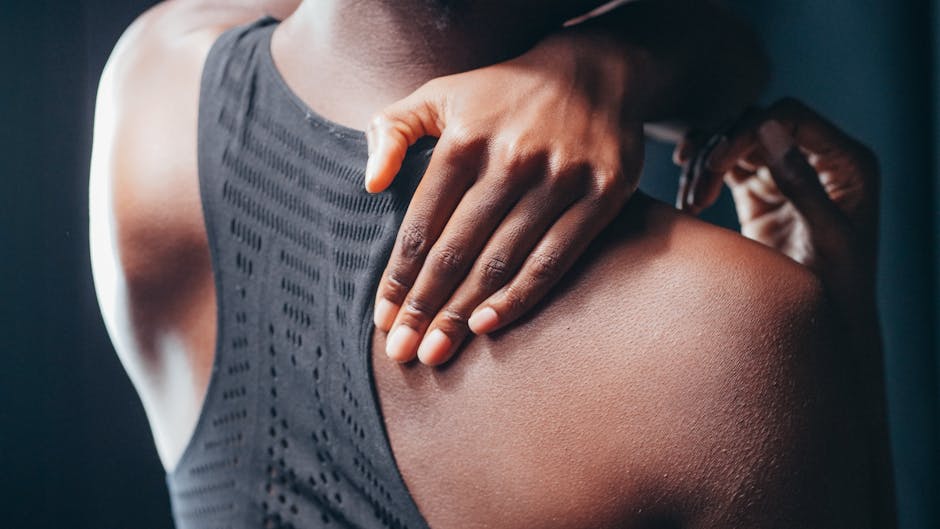
How to Safely Treat Muscle Pulls and Speed Up Recovery
How to Treat Muscle Pulls Safely and Recovery Quickly
TL;DR
If you have ever pulled a muscle, you know it is not a pleasant experience. Muscle pain and inflammation can make everyday tasks difficult, and can even keep you from working out or playing sports.
Treatment for a pulled muscle can vary depending on the severity of the injury, but most cases can be treated with the following suggestions:
1. Rest
Rest is important to allow the pulled muscle to heal. The time it takes for the muscle to heal will vary depending on the severity of the injury. Most muscles take around four to six weeks to heal. However, there are some muscles that can take up to eight weeks to heal. During this time, you should avoid doing anything that would aggravate the muscle. The best way to heal a pulled muscle is to take it easy and do light exercise only when the muscle is fully healed.
2. Ice
Use ice to reduce swelling and pain. If you are experiencing any pain or swelling in your pulled muscle, ice can help reduce the swelling and pain. Apply ice for about 20 minutes per day for the first two days, followed by 10 minutes per day for the next two days. After the first two days, you can start using heat if you experience discomfort. When you injure a muscle, the body responds by producing chemicals called cytokines. These cytokines help the muscle to heal, but they also cause swelling and pain. Ice can help to reduce these symptoms by reducing the amount of cytokines produced.
3. Compression
Use compression to help reduce swelling. Compression can help reduce swelling in a muscle that has been pulled. When the muscle is compressed, the blood flow is reduced, which can help reduce the swelling. It is important to keep the muscle compressed for at least 12 hours after the injury in order for the compression to be effective.
4. Elevation
Elevate the injured area to help reduce swelling. When an injury is sustained to a muscle or tendon, the blood flow to that area is immediately restricted. This cuts off the supply of oxygen and nutrients, which can lead to swelling and pain. If the injured area is elevated, the blood flow will be better able to reach the tissue and reduce swelling. This will help speed the healing process and reduce the amount of discomfort you feel.
5. Pain Medication
Use pain medication as needed to help relieve pain. If you experience significant pain and have trouble bearing weight on the affected limb, then you may need to take pain medication as needed to relieve that pain. This can include medications such as ibuprofen (Advil, Motrin) or naproxen sodium (Aleve). Both of these medications work by blocking the action of certain chemicals in the body that cause pain. If you are taking these medications as prescribed by a doctor, make sure to read the medication's label to see if there are any other restrictions or warnings that apply to it. Taking too much of either medication can cause side effects, so be sure to consult with your doctor if you are having issues with pain relief.
Key takeaways
- How to Treat Muscle Pulls Safely and Recovery Quickly
- 1. Rest
- 2. Ice
- 3. Compression
- 4. Elevation