
Lifestyle Changes Athletes Make to Enhance Performance
What Lifestyle Changes Do Athletes Often Make to Maintain Their Performance
1. Training: How Often, How Intense, What Type
TL;DR
The intensity of training an athlete requires can vary from day to day and from workout to workout. Generally, athletes should train at a moderate intensity (70-80% of their maximum heart rate) four times per week.
Training at a high intensity (90-100%) only occasionally provides short-term benefits and may even lead to overtraining and injury. Type of training, like running, swimming, biking, etc., is also important as it impacts the body in different ways. Strength and conditioning specialists work with athletes to find the right type and intensity of training for them based on their individual needs.
2. Diet: What to Eat, When to Eat, Supplements
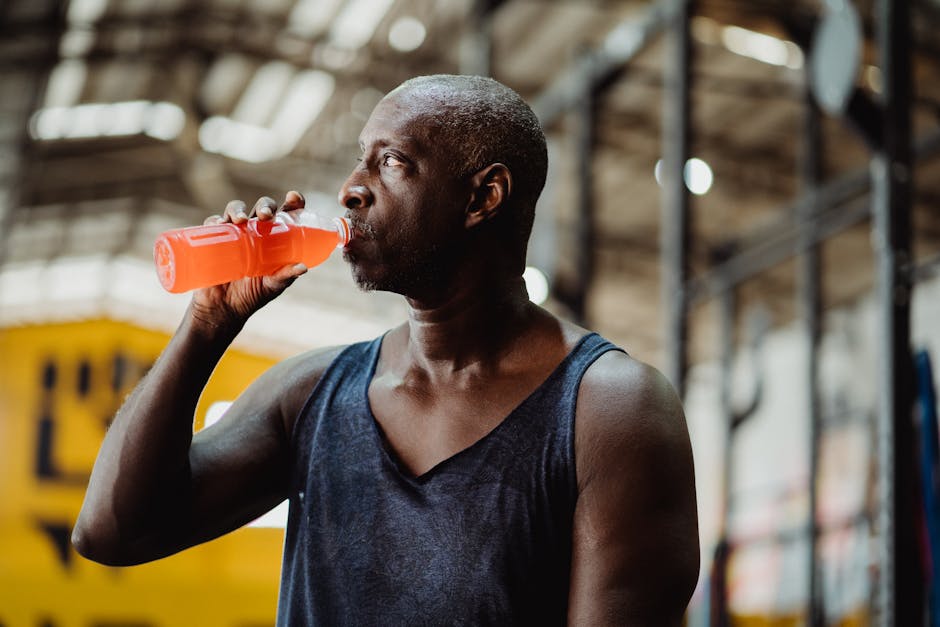
Athletes need to have a well-rounded diet that includes carbohydrates, protein, and healthy fats in order to perform at their best. Carbohydrates should be consumed before and during workouts to give the body energy for sustained activity. Protein helps to rebuild muscles after exercise and is also important for satiety and to prevent injuries. Healthy fats such as omega-3 fatty acids can help reduce inflammation and protect the body from chronic diseases. It is important to drink plenty of water while following a healthy diet, as dehydration can impair athletic performance. Some athletes may also need to take supplements such as creatine or beta-alanine in order to improve performance.
3. Recovery: Sleep, Massage, Ice Bath
There is no question that proper sleep is essential for athletes. Lack of sleep can lead to decreased performance, increased fatigue, and decreased endurance. In addition, athletes who do not get enough sleep are more likely to experience mood swings and feel irritable. Massage has been shown to be a valuable tool for recovery. Massaging the athlete's muscles immediately after exercise can help to reduce inflammation, which is a common side-effect of strenuous workouts. Additionally, massage has been shown to increase blood flow and relieve any pain or tension in the muscle. A good way to improve sleep quality is by taking an ice bath. Ice baths can help to decrease inflammation by reducing the stress response in the body. Additionally, ice baths can help to relax the muscles and promote better sleep.
4. Mental Preparation: Visualization, Goal Setting
Visualization is a powerful tool for mental preparation for athletes. Athletes often set goals in their mind before competitions, races, or sessions of practice. It is important to have a clear mental picture of what you want to achieve, so that you are confident and motivated to reach your goal. Visualizing the finished product can be extremely helpful in achieving this confidence and motivation. When making your visualization, be sure to include all the steps necessary to get you there (from the warm-ups to the finish line). Setting small, achievable goals is also important; if you focus on reaching the biggest goal possible, it becomes more difficult to motivate yourself. Once you have visualized your goal, take some time to reflect on it. Reflect on why you want to achieve this particular goal and how it will positively impact your life. Finally, set a day or event for when you will actually achieve your goal. This step helps crystallize your visualization and gives you a sense of purpose.
5. Physical Preparation: Endurance Training, Strength Training
Some people think that physical preparation for athletes is all about running and lifting weights, but that is not the whole picture. Endurance training and strength training are both important aspects of physical preparation, and they are both necessary in order to have a successful performance. Endurance training helps your body to build up a large store of energy, which it can use when the time comes for an intense sporting event. Strength training helps to improve the strength and flexibility of your muscles, which can help you to generate more power when you need it most.
Key takeaways
- What Lifestyle Changes Do Athletes Often Make to Maintain Their Performance
- 1. Training: How Often, How Intense, What Type
- 2. Diet: What to Eat, When to Eat, Supplements
- 3. Recovery: Sleep, Massage, Ice Bath
- 4. Mental Preparation: Visualization, Goal Setting